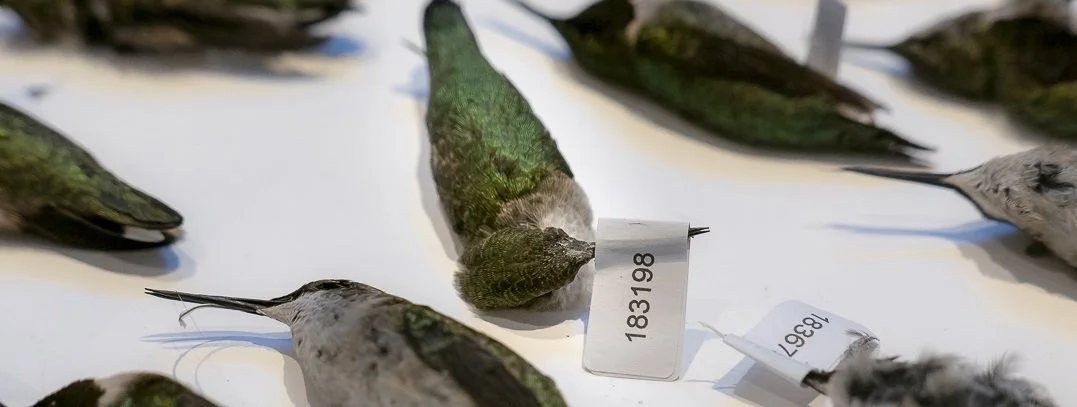
Bird Collision Data and Research
1 billion birds die from building collisions in North America every year.
Since 1993, FLAP Canada volunteers have documented over 100,000 birds of 178 species in the Greater Toronto Area alone.
Top 20 Most Common Bird-Building Collision Victims
White-throated Sparrow
Golden-crowned Kinglet
Ovenbird
Ruby-crowned Kinglet
Brown Creeper
Dark-eyed Junco
Hermit Thrush
Nashville Warbler
Common Yellowthroat
Black-capped Chickadee
Magnolia Warbler
Ruby-throated Hummingbird
Black-and-white Warbler
Black-throated Blue Warbler
Yellow-bellied Sapsucker
Swainson’s Thrush
American Woodcock
Fox Sparrow
Black-throated Green Warbler
Song Sparrow
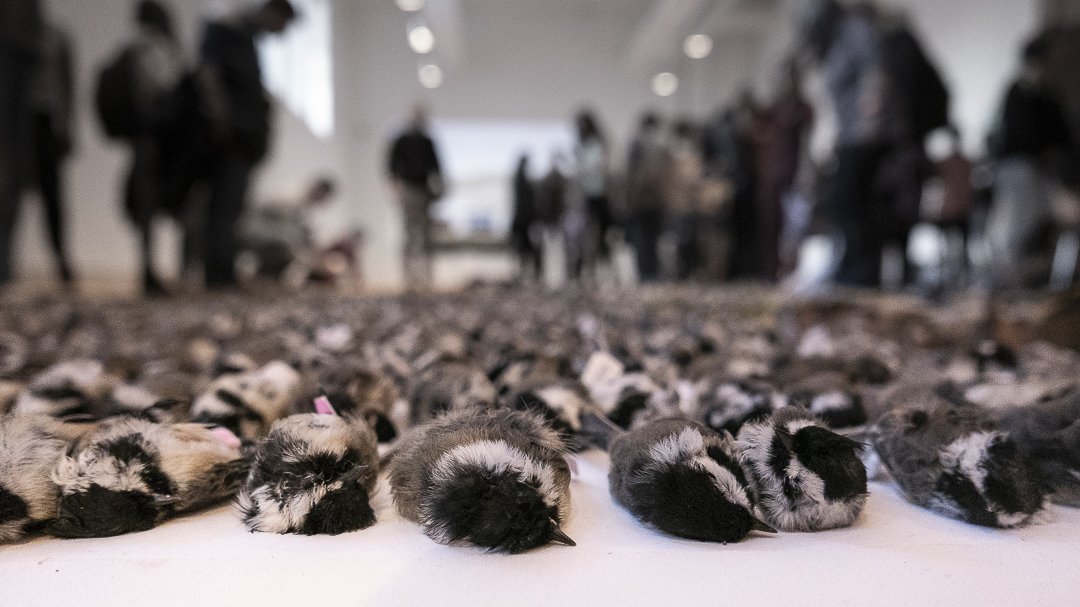
Top 10 Bird Species at Risk, Victims of Bird-Building Collisions
FLAP data from 1993-2023. Last updated May 2024.
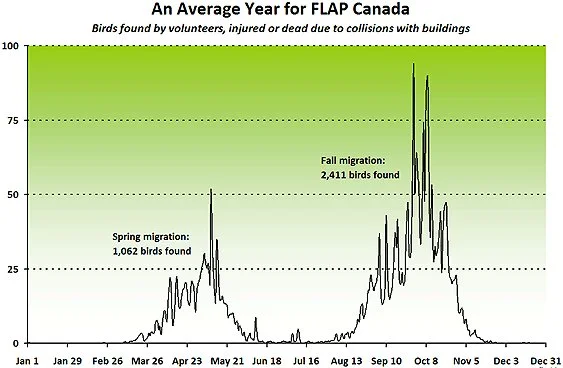
When Do Bird Collisions Happen?
Fall migration is significantly deadlier than spring—FLAP Canada volunteers documented more than twice as many bird collisions between August and November than during the spring migration season. The fall peak in early October represents the highest collision risk of the entire year, when millions of birds are moving south through Canadian cities overnight.
This seasonal pattern is why FLAP Canada's Lights Out programs focus heavily on fall migration windows — and why building managers and homeowners are urged to treat windows with bird-safe window solutions before August.
How FLAP Canada Collects Its Data
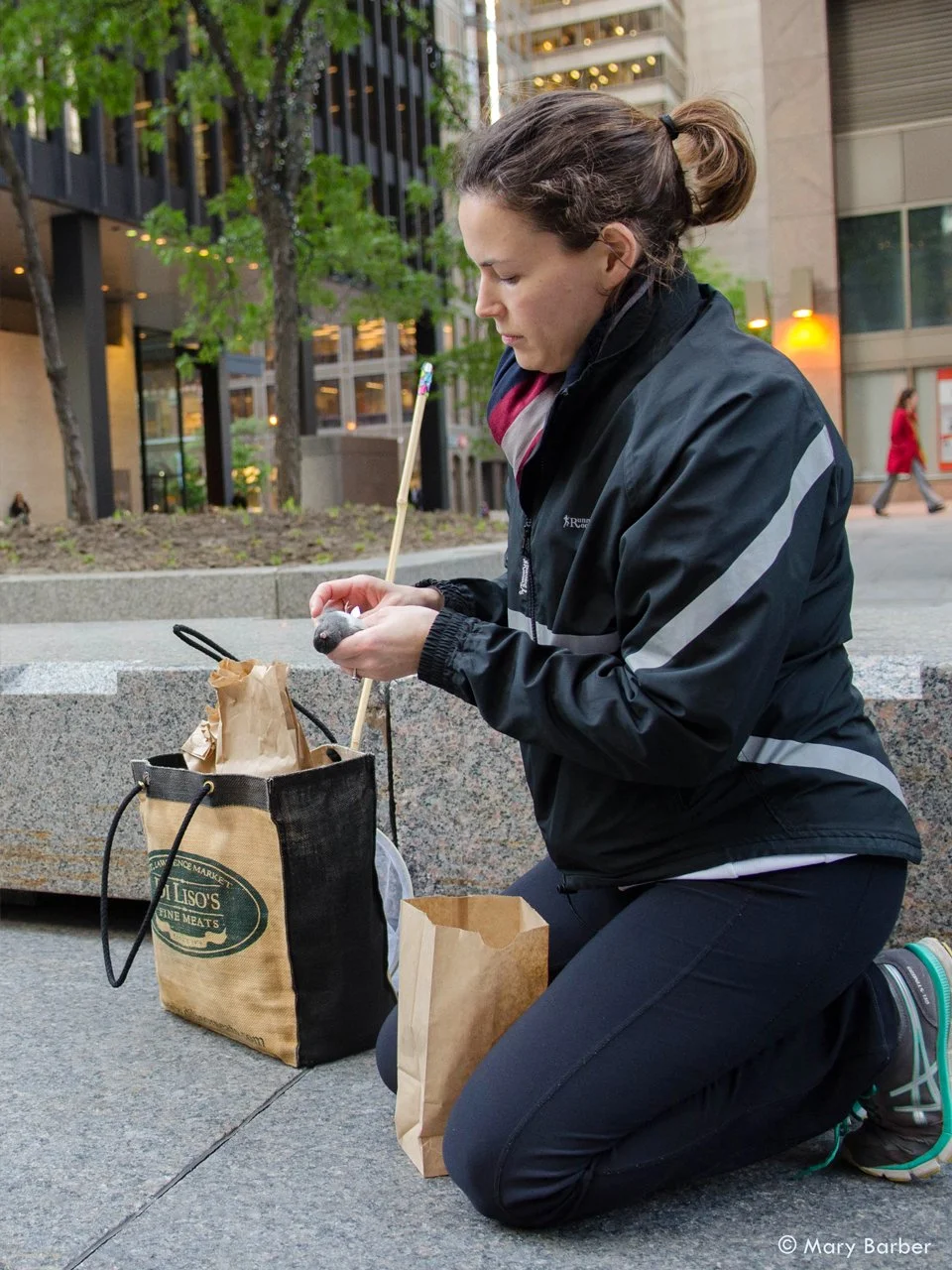
With a scientific permit from Canadian Wildlife Service, our in-field volunteers recover thousands of dead birds each year that have died in collisions with buildings. During spring and fall migration seasons, we:
document the details of each collision, including date, location, species and time of day
tag and freeze all dead birds until the end of each migration season
sort and document the dead bird collection according to their species
train volunteers to help them develop bird identification skills
input bird-collision records into our community science database, the Global Bird Collision Mapper
What Happens to the Dead Birds?
Donations to the Royal Ontario Musuem
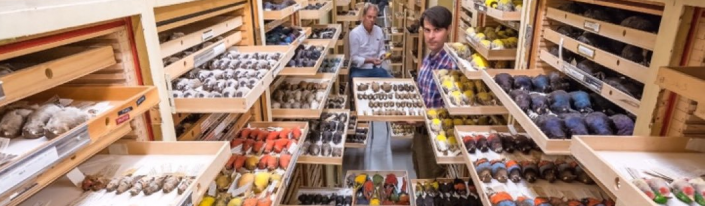
The Royal Ontario Museum (ROM) receives a yearly donation of dead birds for the purposes of research and education. They also distribute the birds to universities and other organizations for similar purposes. Some of the uses of dead birds include:
Research including genetic bar coding, West Nile Virus, pesticide and contaminant research
Study skins for permanent and teaching collections
Skeletons for study
Tissue and feather samples
Gallery displays and mounts
Searcher efficiency trials in wind farm monitoring
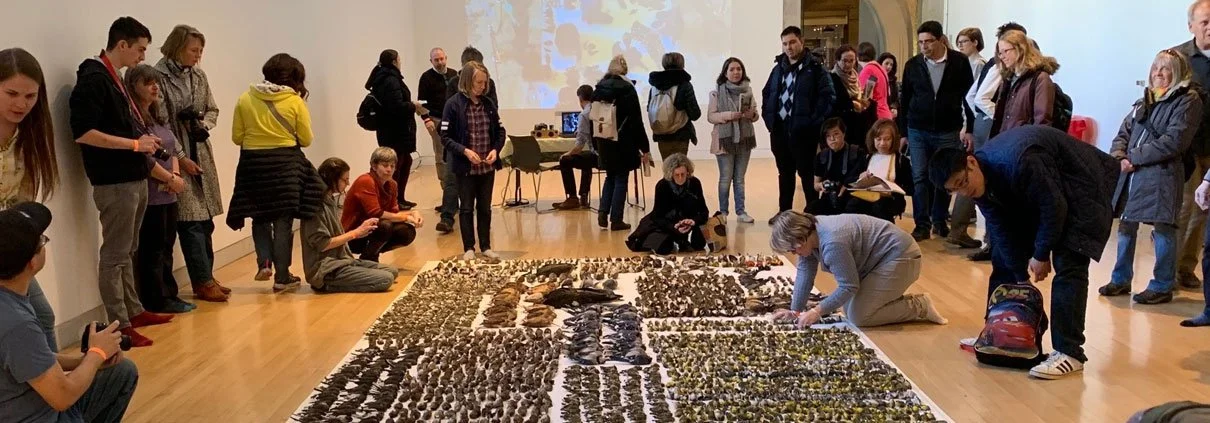
FLAP Canada Annual Bird Layout
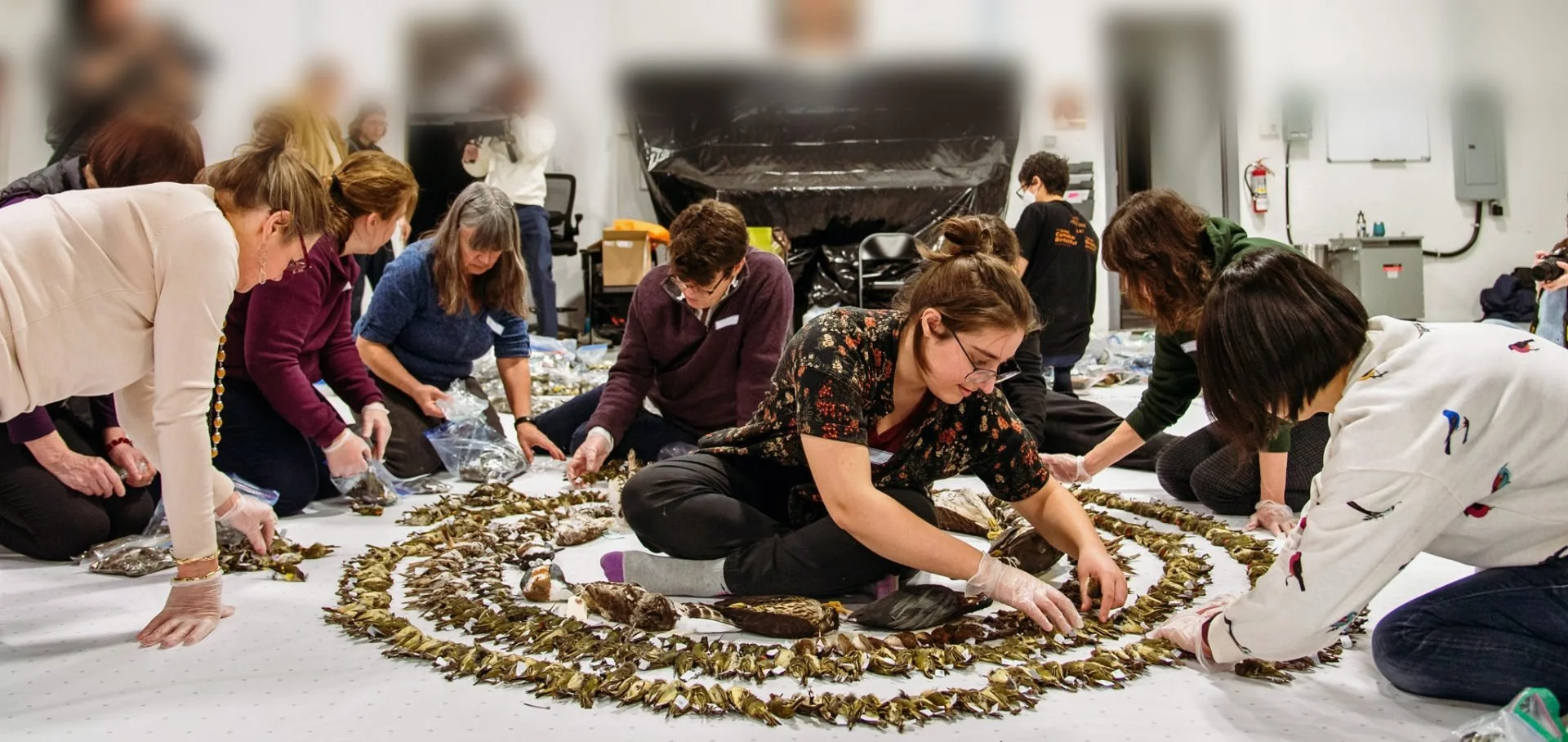
FLAP Canada’s Annual Bird Layout is an emotive and provocative display of dead birds collected by our bird rescue volunteers in the previous year. This annual exhibit has proven to be one of FLAP’s most effective techniques for raising awareness and generating conversation over the dangers birds face in our built environment. The display is photographed and the images are used as part of awareness and educational programs.
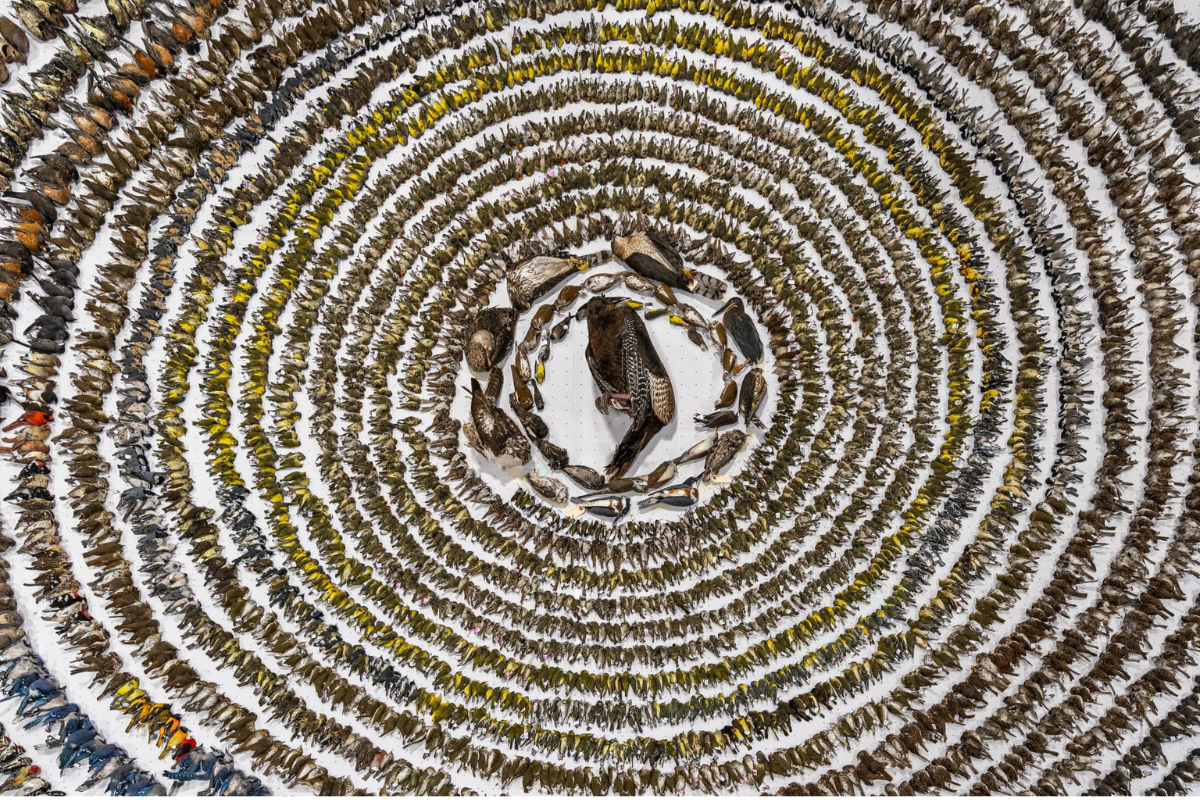
“When Worlds Collide” is an impactful image that Patricia took at our 30th Anniversary Bird Layout in 2023.
Congratulations to Patricia Homonylo for being awarded the Bird Photographer of the Year for 2024!
This is an incredible achievement and we are very thankful that Patricia has spread such incredible awareness about the devastating bird-building collision issue.
How We Use This Data to Advocate for Birds
FLAP Canada's bird collision data is more than a record — it's evidence. For over 30 years, our field documentation has powered real policy change, informed building standards, and put the bird-building collision crisis on the map for governments, developers, and the public.