
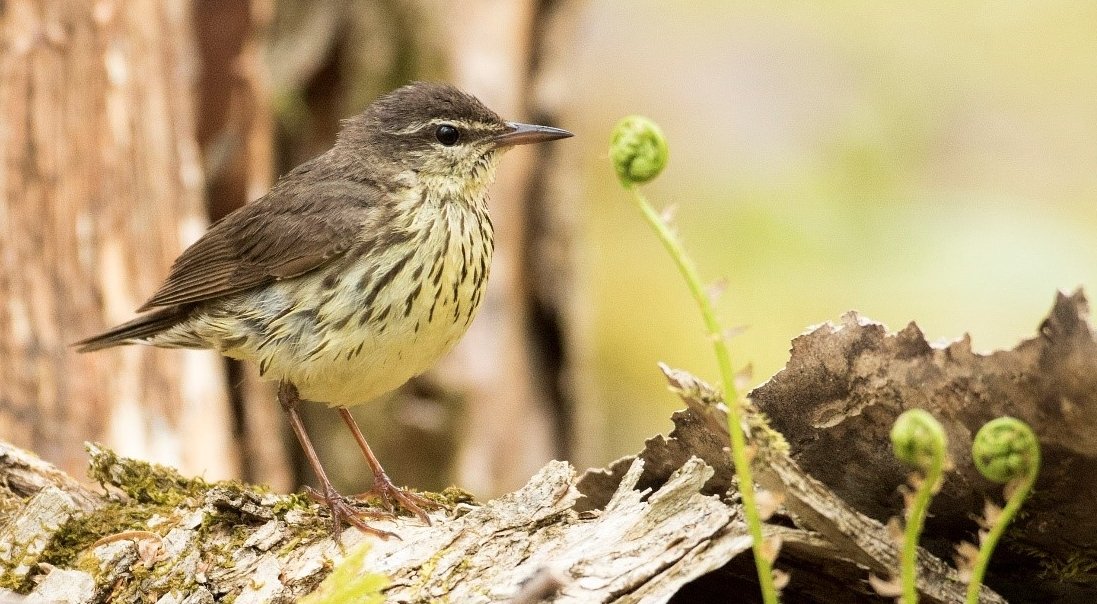
Our Blog
Birds are in trouble, and the people working to protect them have stories worth telling. The FLAP Canada blog covers bird conservation across Canada, featuring: guest posts, volunteer spotlights, how-to guides, and expert perspectives on bird-building collisions, bird migration, and bird-safe solutions.
Have a suggestion for a blog post? Please contact us.
Three Ways to Enjoy Birds Without Leaving Your Home
Spring is in the air. The grass is getting greener, robins are singing their hearts out, and a steady stream of migratory songbirds are passing by on their way to their breeding grounds. For those of us who are used to getting out in nature to witness the magic of spring migration, being homebound during this time can be pretty depressing.

Year-end recap: policy changes impacting bird-building collisions
2025 was an exciting yet tumultuous year for FLAP’s work on bird-building collisions. While there continues to be significant advances, recently we have seen significant backsliding on hard-earned progress. Municipal policy interventions to reduce bird-glass collisions are being curtailed by the provincial government in Ontario.
Bird safe windows in Ontario Provincial Parks
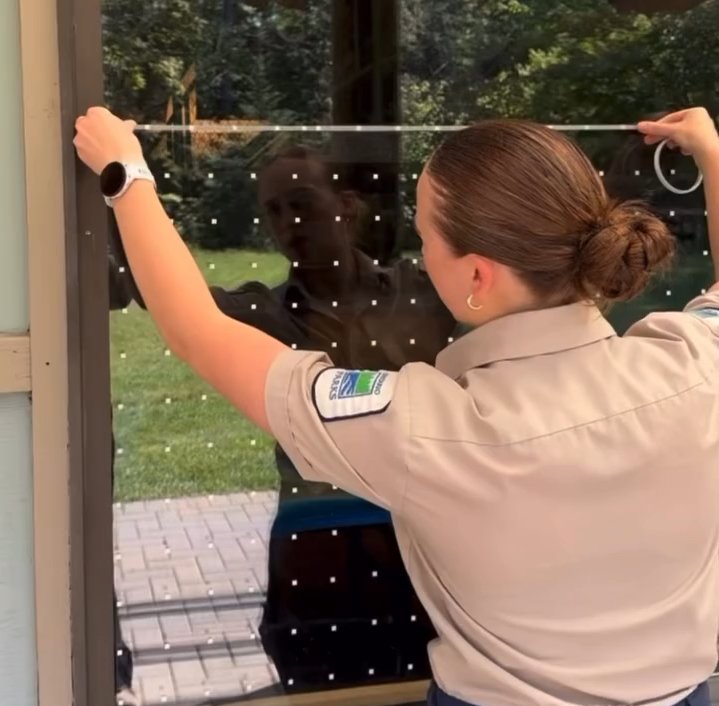
Over the past several years, there have been significant efforts to mitigate bird collisions with buildings in Ontario provincial parks. Retrofits of glass at park facilities have been performed by staff at the Pinery, Rondeau, Point Burwell and Algonquin Provincial Park.
Bird-safe home windows: a local business success story
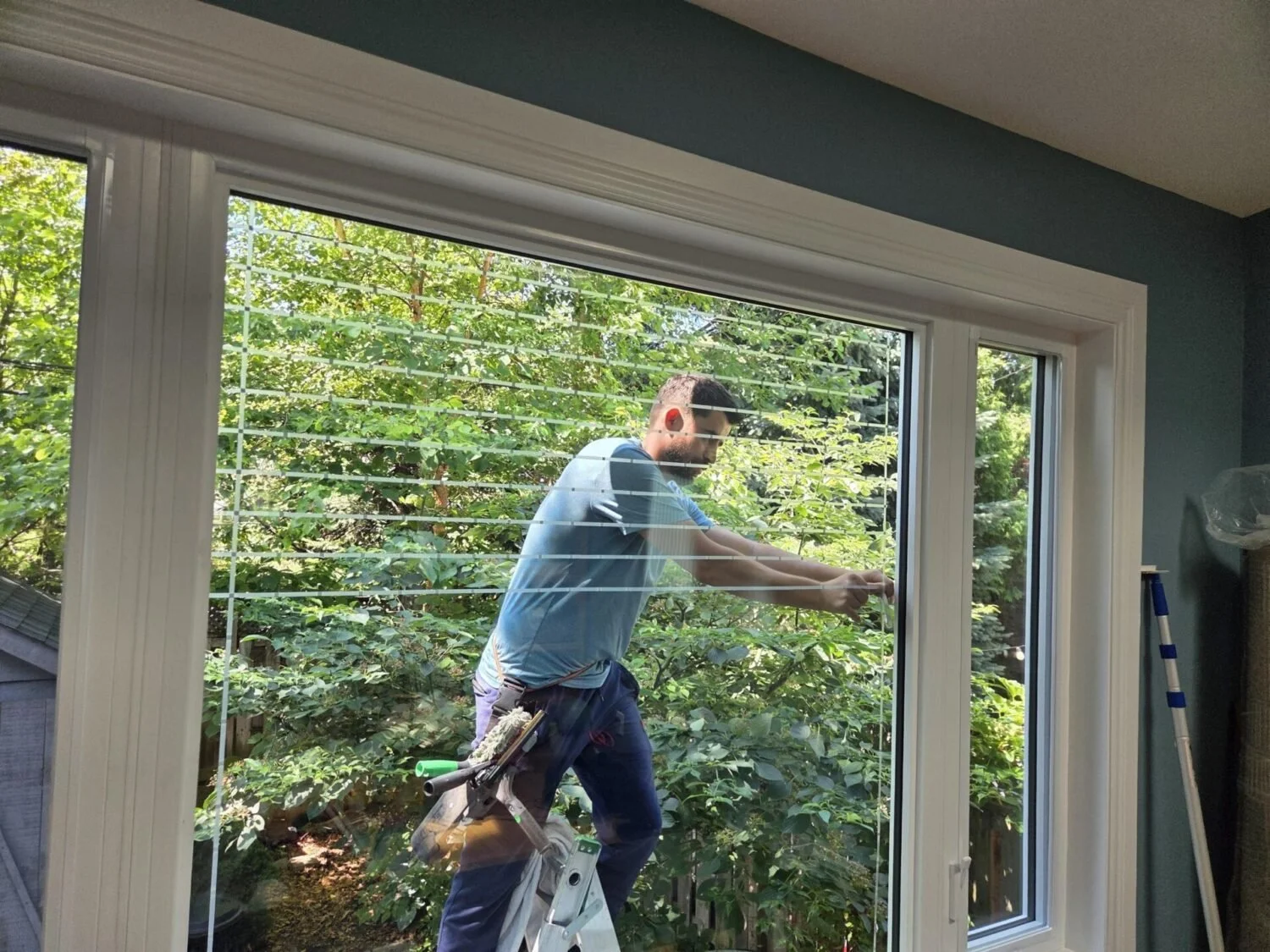
Have you ever wondered about businesses in your area who could help you with treating glass windows or railings on your home for bird safety? Retrofitting residential windows can protect birds, and offer an economic opportunity for small businesses.
Funding for preventing bird collisions with buildings: current and future prospects
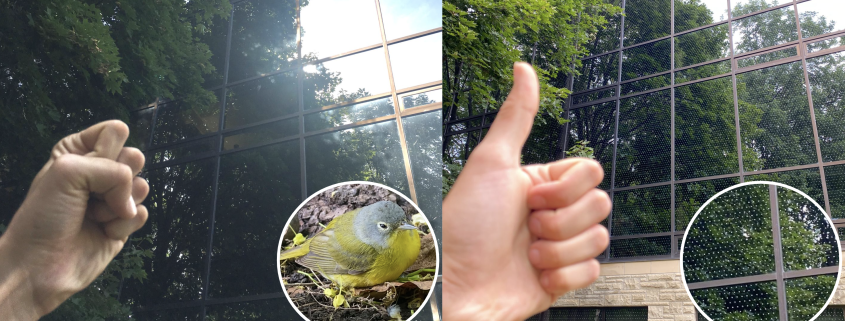
There are many ways that windows can be treated for bird safety, but not all solutions and applications are equal. Undertaking small-scale retrofits can be simple, such as treating residential windows by yourself. However, it can be more challenging to advocate for implementing larger-scale retrofits of commercial, industrial and multi-unit residential buildings for a variety of reasons. There is no standard process, template or model that works in every case.
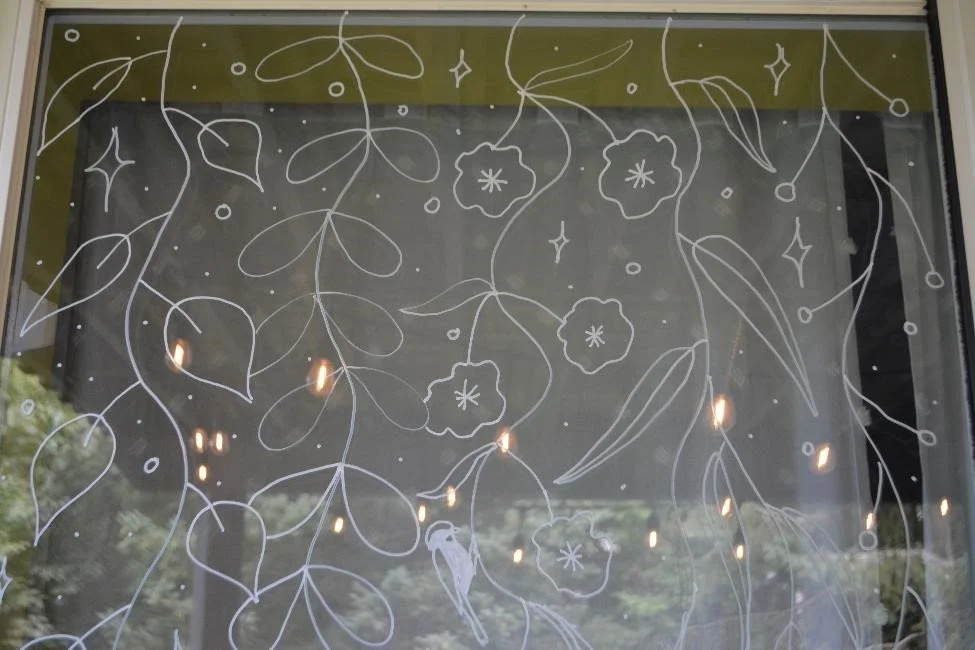
Oil-based paint markers: a fun and affordable way to stop birds from hitting windows
This post will walk you through how to use oil-based paint markers to create your own bird-safe window treatment. Oil-based paint markers are inexpensive (one marker covered an entire double patio door as well as a smaller window, with paint to spare), hold up well to the elements, and are simple to remove when needed. In this example, we have turned our windows into a magical, bird-safe garden, with flowers and vines for our feathered friends. However, the possibilities are limitless!

Volunteer spotlight: Kathy Zimay
Meet FLAP Canada volunteer, Kathy Zimany. Kathy shares some of her experiences with FLAP, including how she volunteers her time supporting birds across her local area in Toronto. From her motivations to memorable moments, hear from an extraordinary FLAP volunteer and perhaps be inspired to get involved yourself!
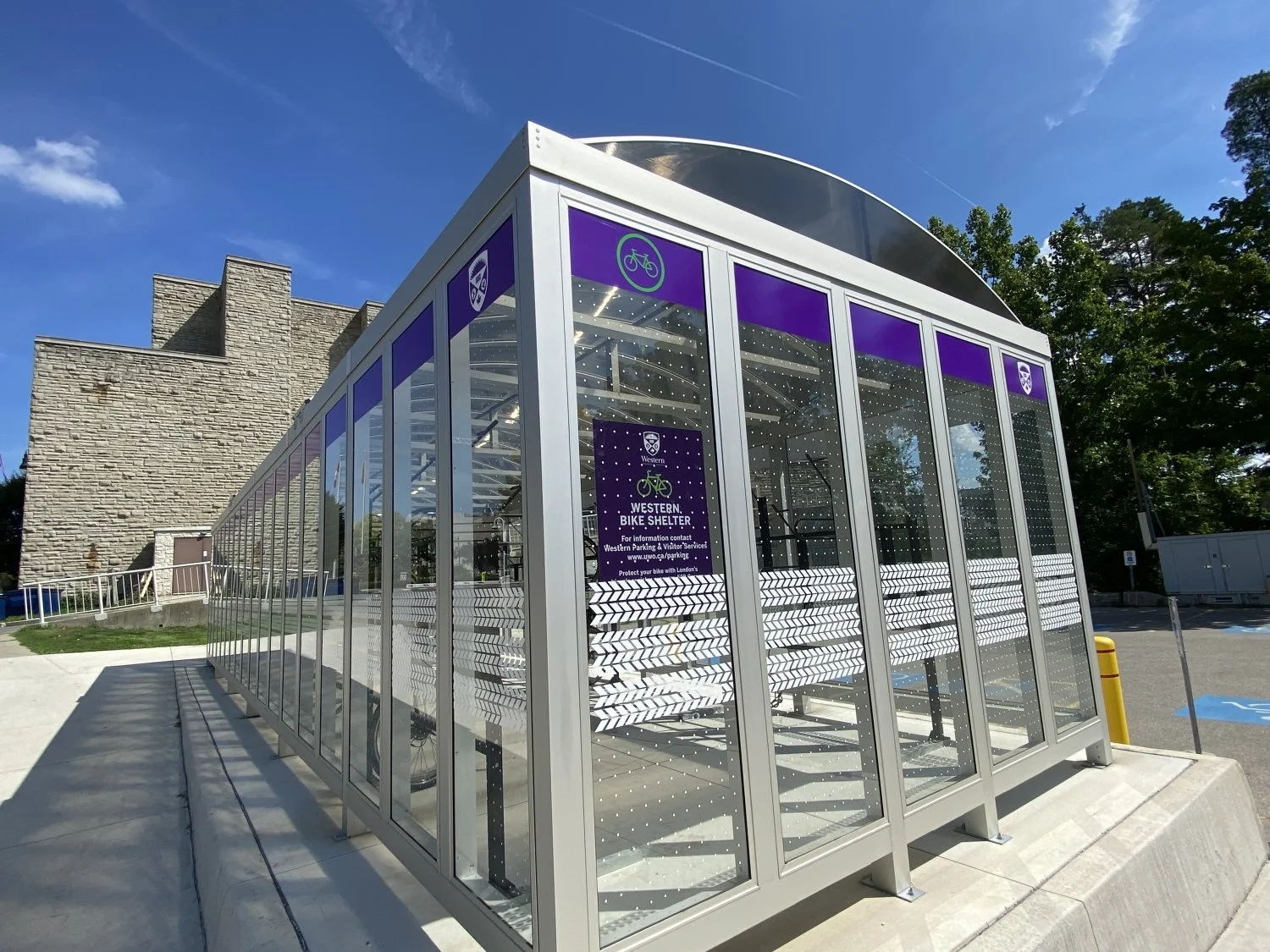
The winding path of advocating for bird-friendly buildings
If you follow FLAP and are reading this, then you probably care about conserving birds in your community. Unfortunately, there are a lot of buildings already out there, and others still being constructed, that pose a great risk of birds colliding with windows. Until existing building windows are retrofitted, or new buildings are designed to be safe for birds, more birds will preventably be killed. Perhaps you’ve wondered, what can a single person like you or me do about an existing problem building, or construction of a new building with windows that endanger birds? It may surprise you to know that there is quite a bit that you can do– and I hope what has been accomplished at my university can serve as an example of that.
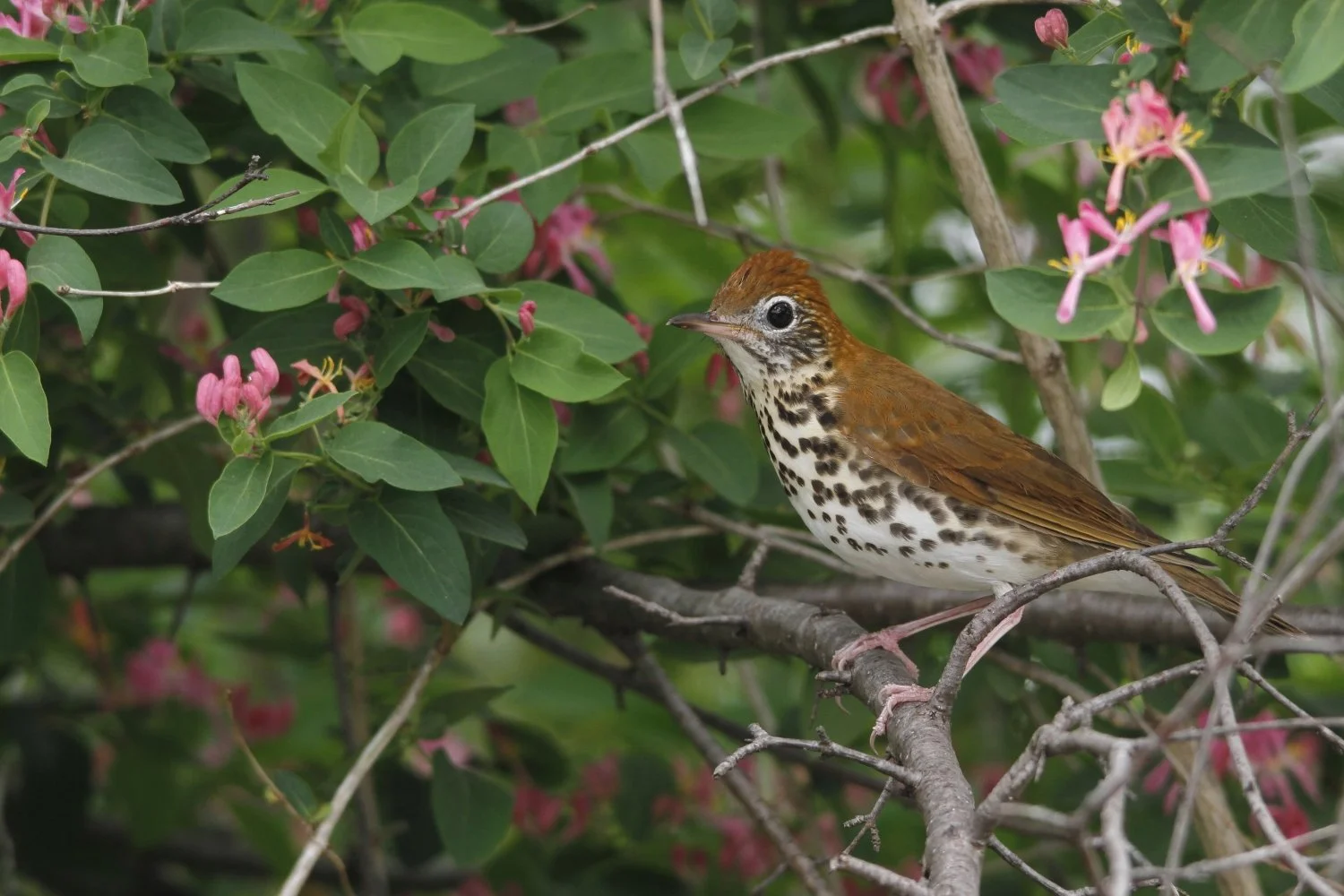
Property managers face new risks in changing bird-window collision landscape
Collisions with buildings, both during the day and at night, pose a lethal threat to bird species worldwide. FLAP Canada has been working to protect birds from this leading cause of death since 1993. Despite our best efforts, many challenges in these early days made it difficult for us to advocate for bird-safe practices at commercial properties. Effective collision deterrents weren’t yet readily available, reputable bird-safe standards weren’t in place, and bird protection laws were not consistently enforced.
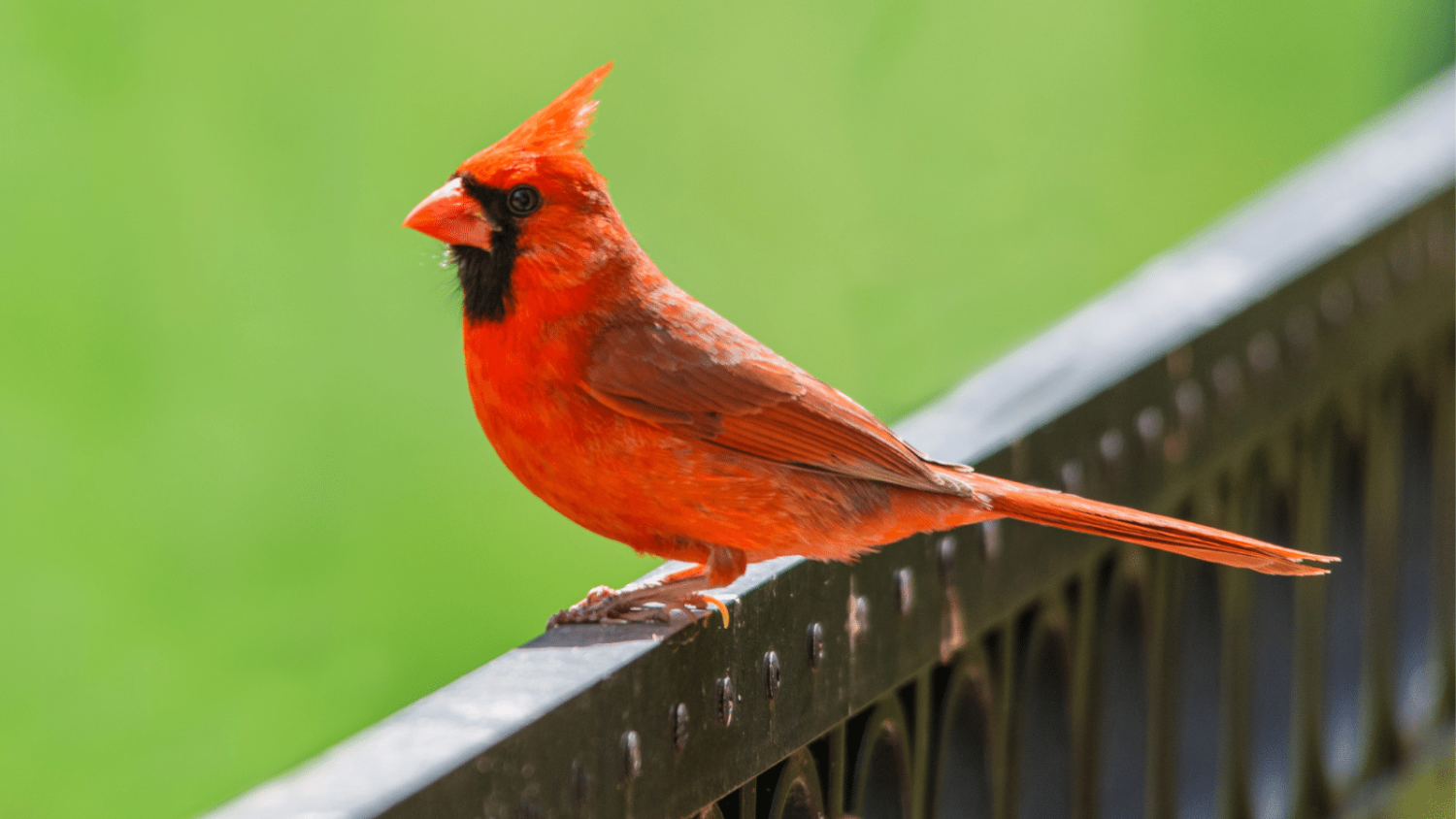
How to stop birds from attacking windows
You’re enjoying some blissful sleep, when suddenly, you’re woken by an incessant tapping at your window. You open your blinds to find a bird at your window, aggressively fighting an unseen enemy with its beak, feet, and wings.
Many people have had this common spring-time experience of a bird repeatedly attacking their windows. Why do birds do this, and how can you stop it?
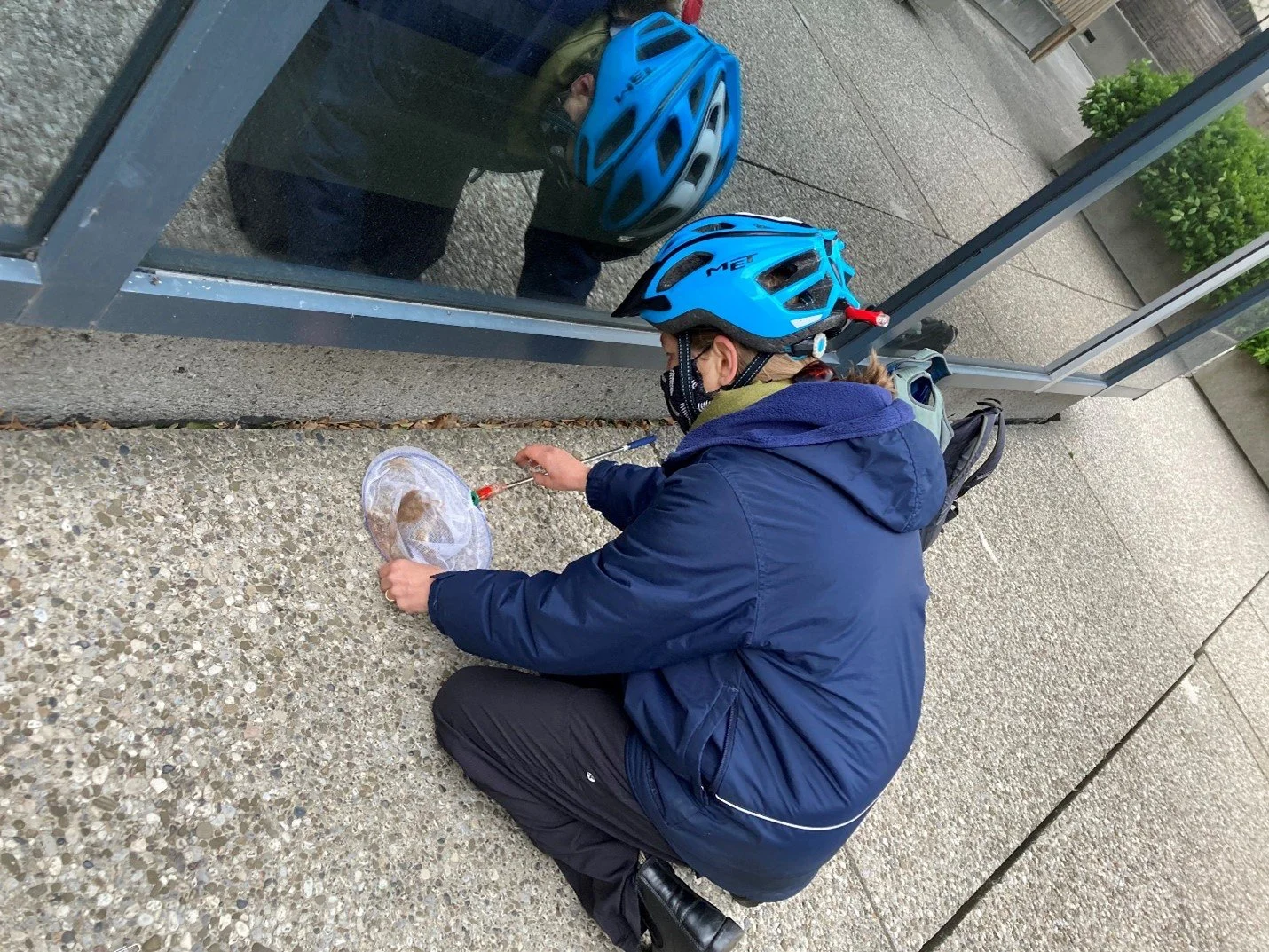
Volunteer spotlight: Sally Thomas
Meet Sally Thomas, a dedicated FLAP Canada volunteer, as she recounts her experiences conducing bird patrols in downtown Toronto.
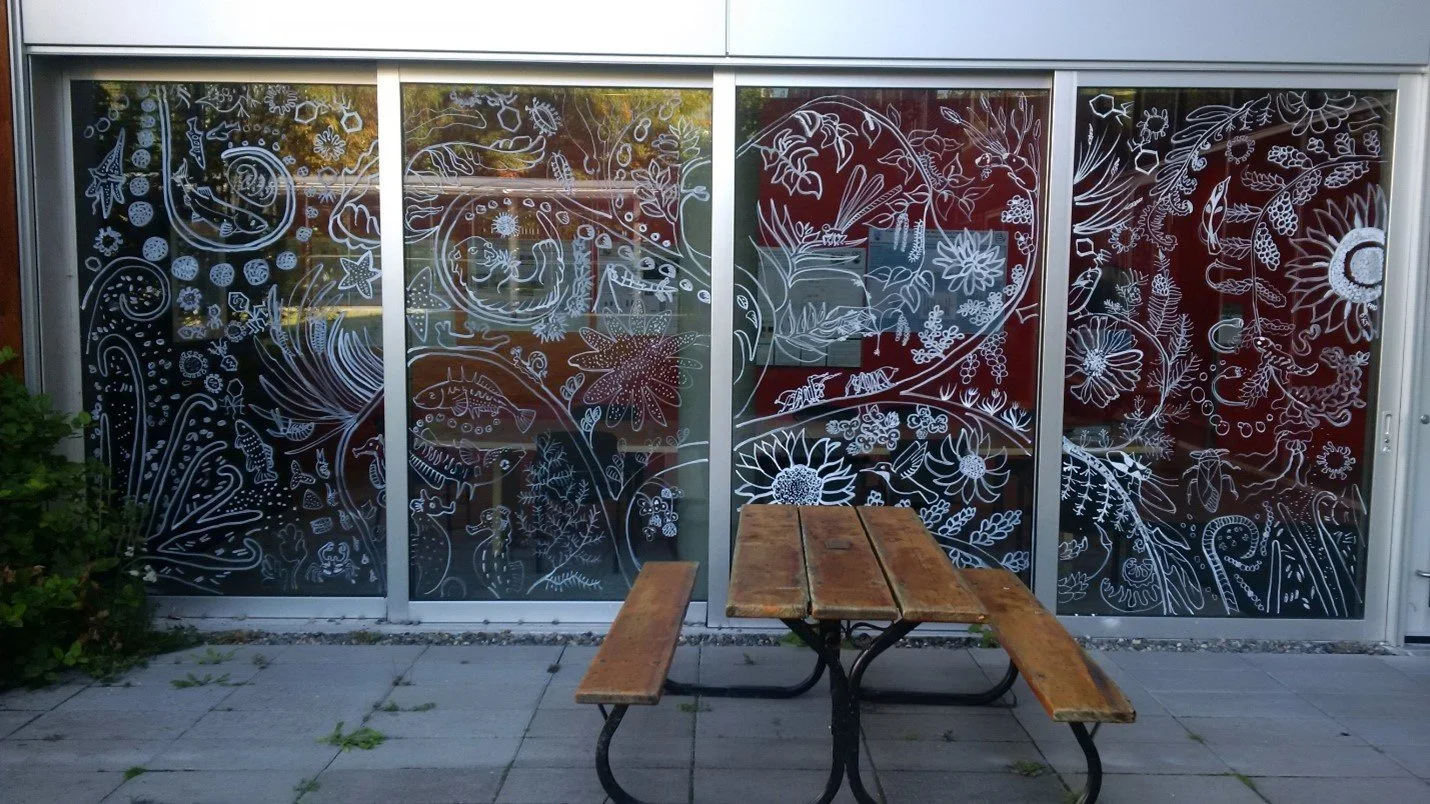
Elevate your corporate sustainability program with a bird-safe window initiative
More and more businesses and organizations are committing to reducing their environmental footprint in the workplace. Besides a clear environmental benefit, investing in corporate sustainability can increase employee satisfaction and wellbeing, be marketed as a competitive edge, and even improve your bottom line. No matter how big or small your organization (or budget), there are plenty of ways to make a positive impact.

The Invisible Cabin: A Deadly Illusion for Birds
Environmentally conscious would-be vacationers are being misled by false promises. Clever marketers paint an irresistible picture of a novel and eco-friendly retreat where you can stay in a supposedly ‘green’ cabin, which, with its mirrored exterior, is specifically designed to camouflage perfectly with the surrounding forest. For the unassuming birds that call these forests home, this type of structure is a recipe for disaster.

Volunteer Spotlight: Kerrie Blaise
Learn more about Kerrie Blaise, a dedicated FLAP Canada volunteer who has been committed, since 2019, to preventing the needless death of millions of migratory birds from collisions with buildings.
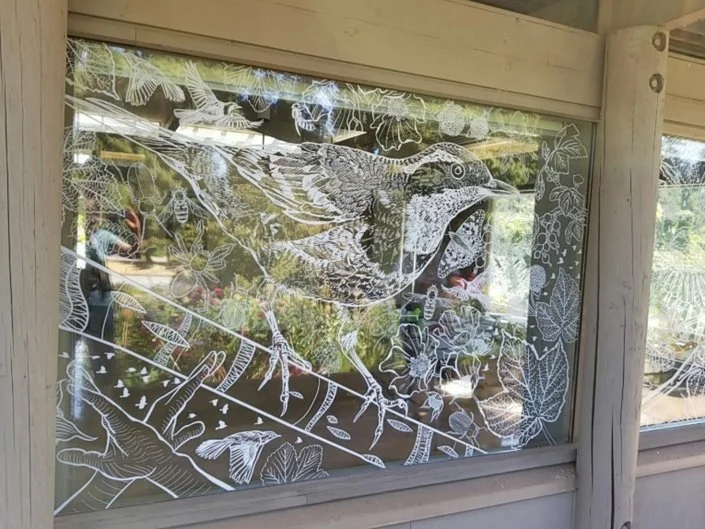
The Value of Research in Creating Bird-Friendly Campuses
Most collision research has occurred during fall and spring migration in the eastern half of North America, creating both a seasonal and a regional bias in published results. However, after conducting collision research across all 4 seasons at the University of British Columbia (UBC) in Vancouver, Canada, we found that collision mortality was very high not just during the migratory periods, but also during the winter months at this Pacific coastal campus.
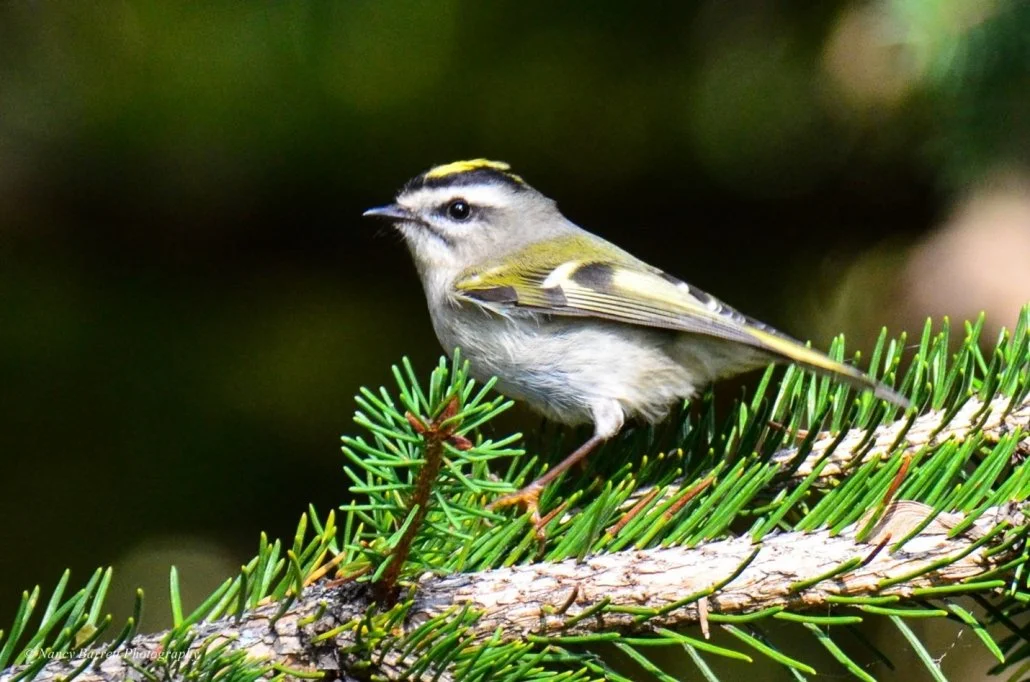
Tips for Educating Building Tenants about Bird-Safe Best Practices
Bird-window collisions are at their peak in the fall as billions of beautiful, colourful birds (and all the babies born in the summer) must navigate through unfamiliar urban areas on the way to their wintering grounds. Luckily, there are simple steps you can take to help migrating birds safely reach their winter homes.

Volunteer Spotlight: Gary Yankech
Meet Gary Yankech, a dedicated FLAP Canada volunteer since 2011. Hear from Gary about his volunteer experiences.
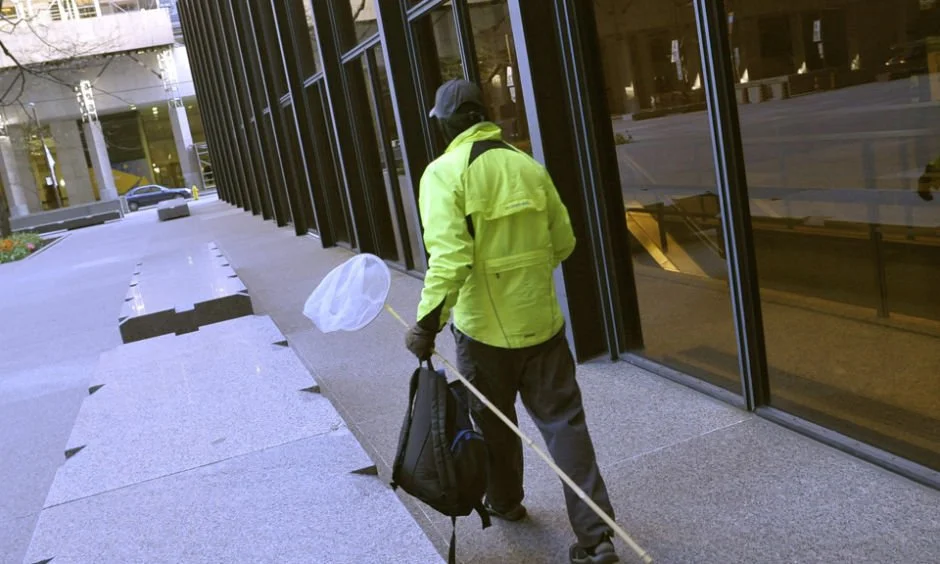
History in the Making: TD Centre Bird-Safe Retrofits a Testament to Our Collective Efforts
Cadillac Fairview (CF), a Canadian commercial real estate company, will soon begin installing bird collision deterrent markers at their iconic Toronto-Dominion (TD) Centre in Toronto’s Financial District. This retrofit will save the lives of countless birds and will also challenge other commercial building owners to follow CF’s lead.
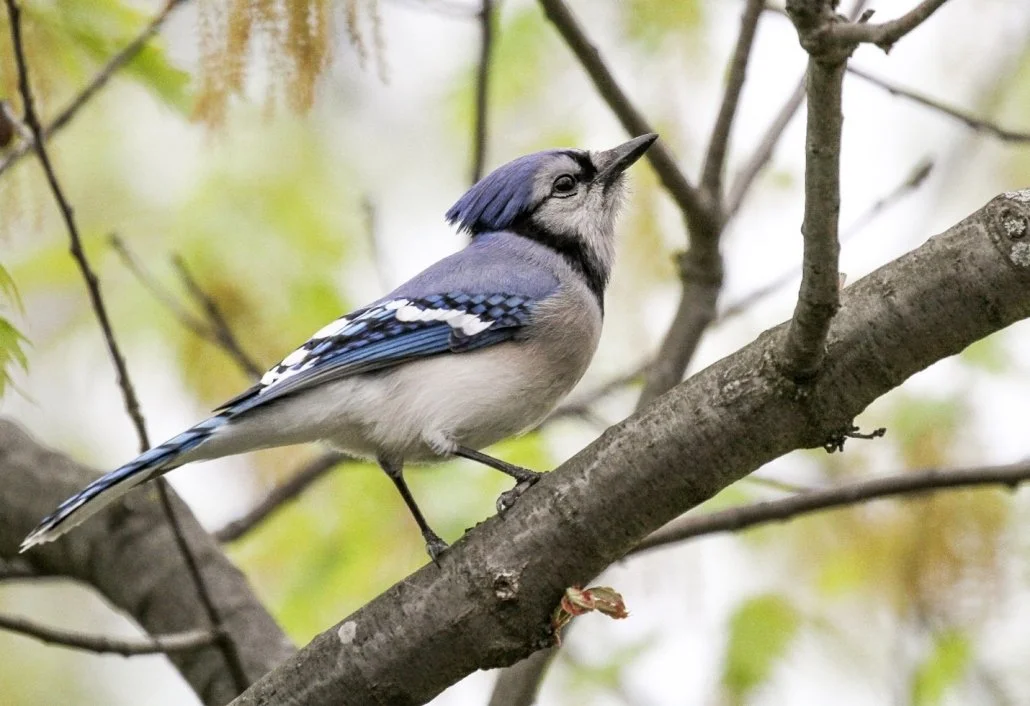
Balcony Birding: A Great Way to Enjoy Birds While We Stay Home
Balcony birding is the hot new hobby! No traveling or social distancing required, with easy access to food, drinks, and washrooms. Lockdowns don’t stop the birds from migrating! Now that we in Ontario are back to a stay-at-home directive, it’s even more important to be able to watch birds safely.
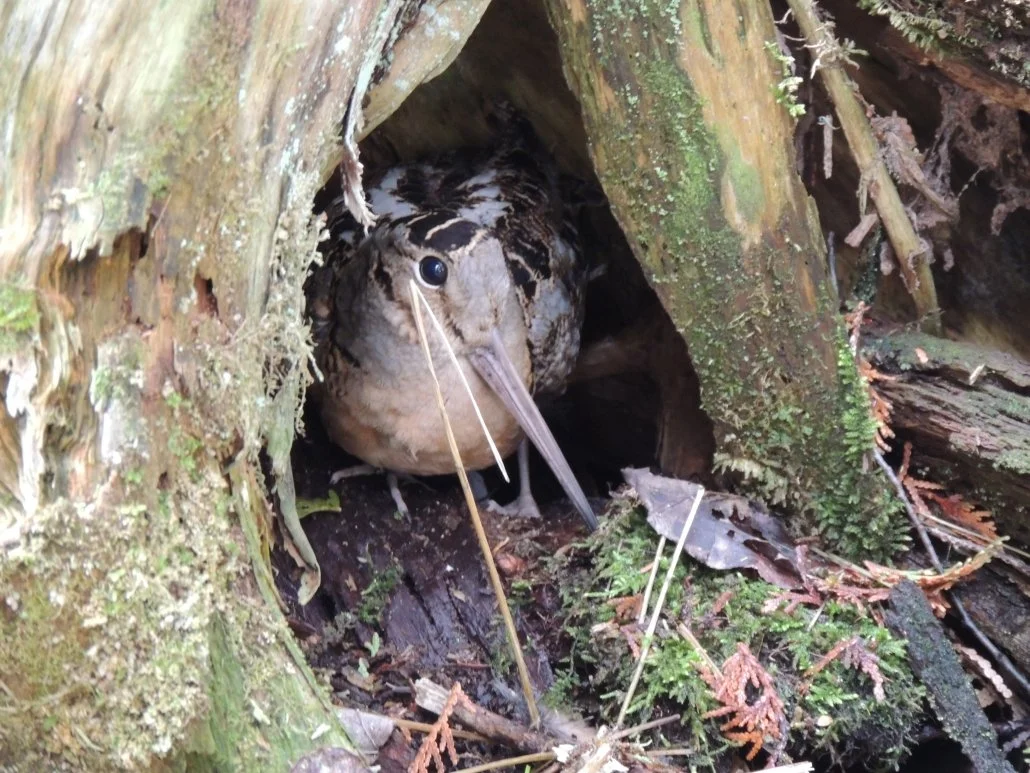
Spring bird migration is underway: Here’s what property managers and owners can do to protect birds
Billions of birds are on the move across North America this spring as they migrate to their northern breeding areas. Unfortunately, many do not reach their destination due to fatal collisions with reflective and transparent glass. Light pollution in urban areas intensifies this problem by throwing migrating birds off course and drawing them closer to buildings.