
Volunteer with FLAP Canada
Volunteer for Bird Conservation in Toronto
With the help of our volunteer force, FLAP Canada works tirelessly to protect migratory birds from the dangers of the build environment. From on-street bird rescue to public education, there is a role for everyone.
We couldn’t do it without you.
The fall application is now closed for the season. Our application will open again for new volunteers in anticipation for the spring migration season on February 1st until the 28th , 2027.
The bulk of our volunteers are bird rescue patrollers and drivers, but there are many volunteer roles that might suit you. Please see our online or PDF application form for the full list of potential volunteer activities.
Volunteer Roles with FLAP Canada
-
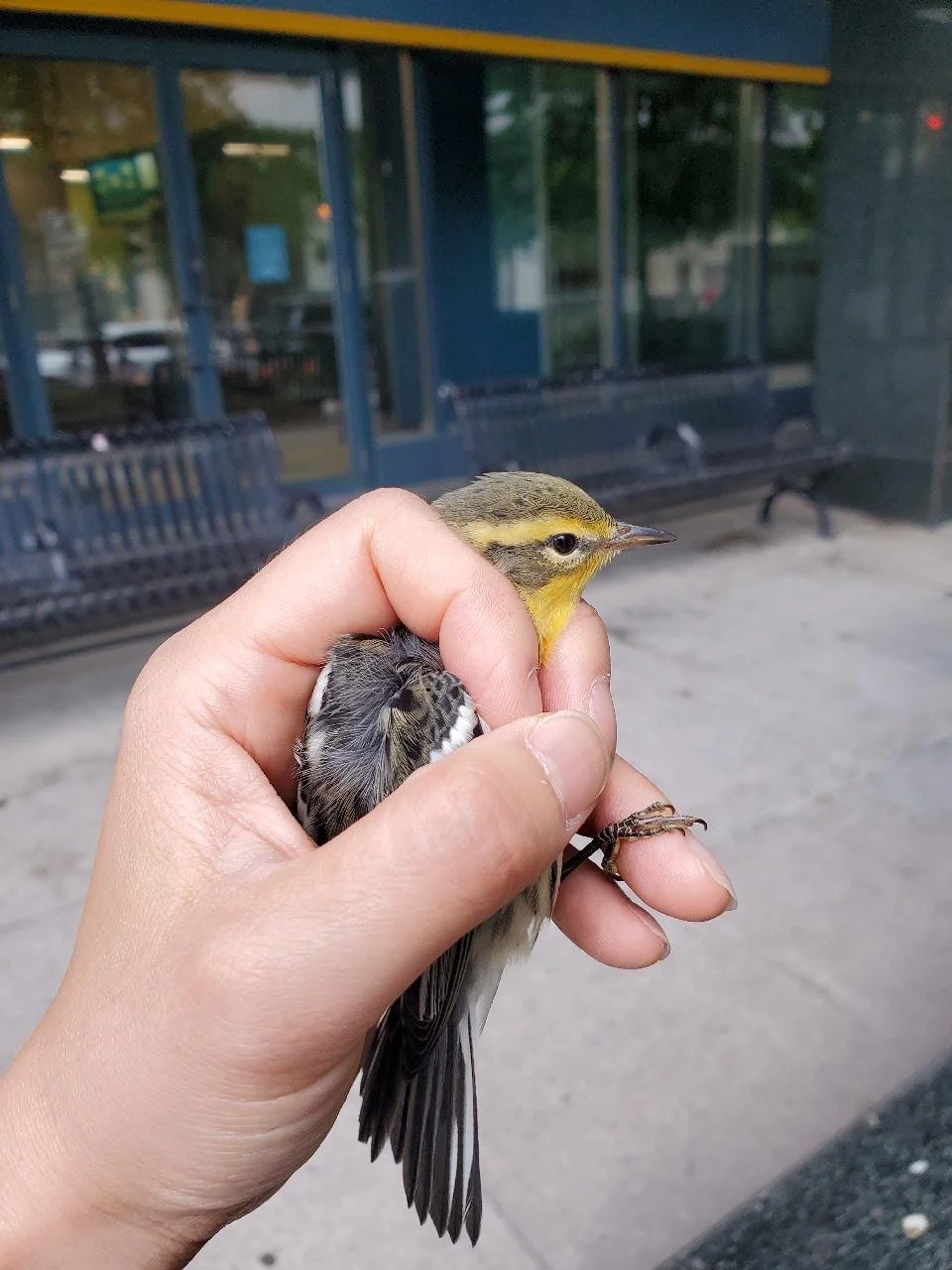
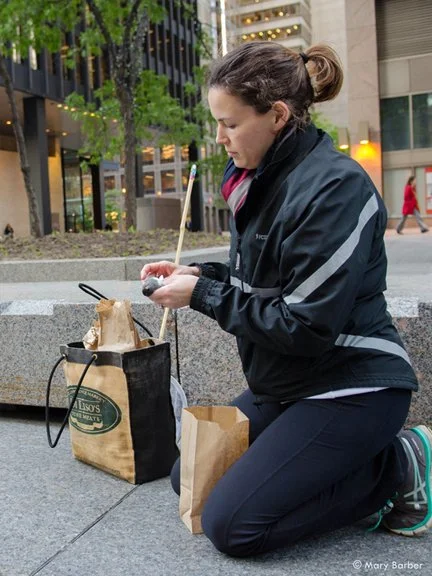
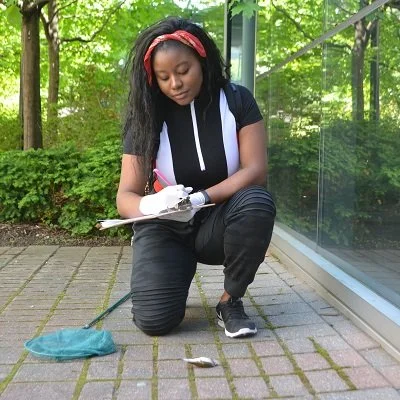
A bird rescue volunteer patrols a designated area during spring and fall migration seasons to search for birds that have collided with a building. They are trained to rescue injured and salvage dead birds and report each collision on the Global Bird Collision Mapper using FLAP’s mobile app.
All bird rescue patrollers carry relevant permits and equipment for this work and are asked to commit to at least one patrol per week during migration seasons (Spring: April to May, Fall: September to October).
Please note: For patrolling in areas like Mississauga, Scarborough and Markham – having a car would be beneficial. The buildings in Mississauga and Markham are spaced apart and the quickest way to move between them is to drive. We also cannot guarantee that a volunteer driver will be available in these areas, so driving your live injured birds to the Toronto Wildlife Centre yourself after a patrol is usually the only option.
-
A volunteer driver commits to being on call weekly for a morning or afternoon shift during migration seasons (Spring: April to May, Fall: September to October).
Drivers usually pick up injured birds either from the FLAP office (Bay/Dundas area) or from on-the-street bird rescue volunteers in and around the downtown core, for transport to the Toronto Wildlife Centre (Downsview Park area). We are interested in expanding the driver program to cover additional areas such as Mississauga, Markham and Scarborough.
Drivers can also respond to Driver Alert emails when a scheduled driver isn’t available.
-
A Hotline Monitoring Volunteer is available to remotely check FLAP voice messages Monday to Friday during the migration seasons (Spring: April to June, Fall: September to October) and reply to messages based on their level of knowledge or relay these messages to the Volunteer Coordinator.
A Hotline Monitoring Volunteer will be required to commit to one shift of 4 hours per week.
-
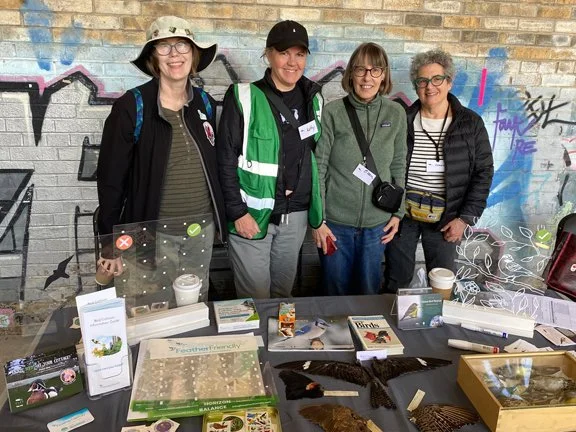
FLAP participates in a variety of outreach activities such as Conservation Days, birding events and school programs. Volunteers would have the opportunity to host displays, hand out educational materials and conduct presentations in–person or remotely (training provided).

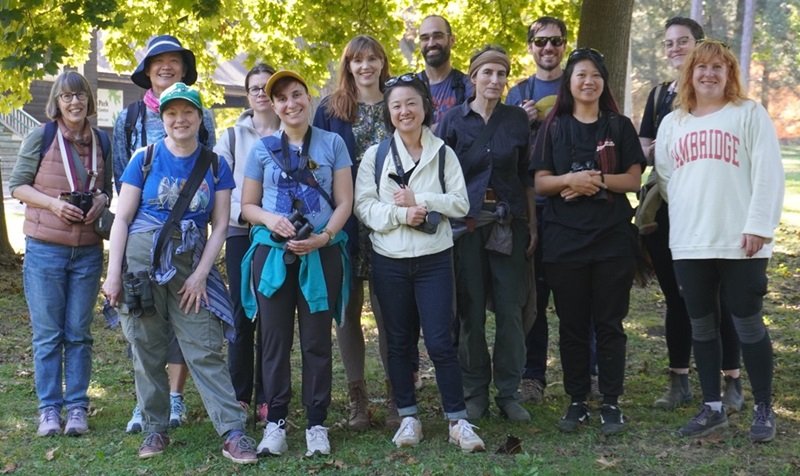
How to Get Involved as a FLAP Canada Volunteer
Applications open twice a year — here is what to expect from application through to your first patrol.
Step 1 — Apply
Applications open twice a year: February for spring migration, and July for fall migration. Submit your application via our online form or by emailing a completed PDF application to our volunteer coordinator at volunteer@flap.org.
Once we review your application you will receive a confirmation email. Please note that the positions listed in the application may not all be available at the time you submit.
Step 2 — Attend an Info Session
Info sessions are held in late March/early April and in August. If you apply to be a bird rescue volunteer after these dates we may take longer to get back to you as migration will be in full swing.
Step 3 — On-Street Training
Training sessions occur shortly after the Info Session for that season and are coordinated with those who attended.
Step 4 — Spring Migration
Late March until early June.
Step 5 — Fall Migration
Late August until the beginning of November. FLAP does not patrol for birds outside of these seasons.
Please note: Highly Pathogenic Avian Influenza (HPAI) or “Bird Flu” is an extremely contagious and serious illness that impacts bird species. There have been outbreaks in wild birds across Southern Ontario, involving mostly waterfowl and raptors, which the symptoms can be deadly. Thankfully the risk for songbirds (the majority of the birds we handle) is quite low.
To keep the birds we rescue safe, as well as our volunteers and staff, our bird rescue patrolling kit includes detailed information on HPAI and which species are at higher risk, as well as gloves, N95 masks, and other tools to reduce the potential spread.
Have questions about our Avian Influenza Protocol? Email us at volunteer@flap.org.
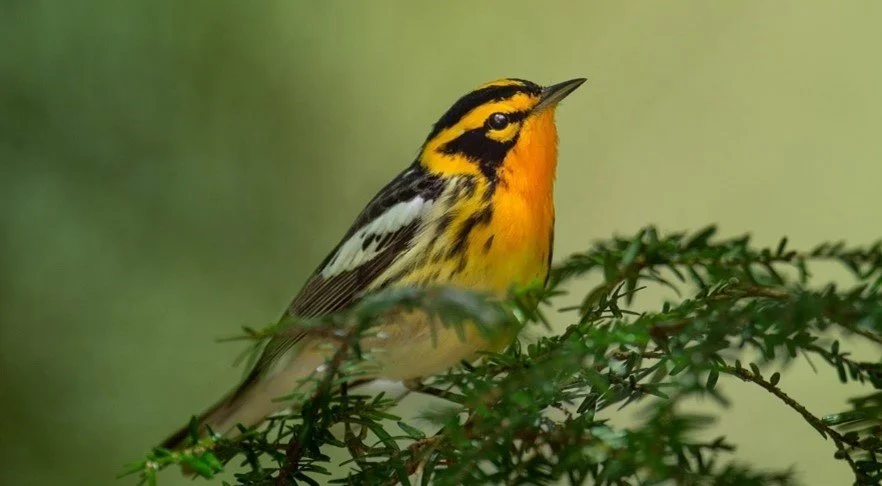
Looking for other ways to support birds at risk across Canada?
Support FLAP Canada’s bird rescue, collision prevention, and advocacy work.