
Bird-Safe Solutions for Commercial and Institutional Buildings
What does it cost to make a single building bird safe?
The easy answer is: it depends!
The issue of bird collisions with windows has become a leading conservation biology concern worldwide. Laws and polices, designed to mitigate this global threat, are steadily being introduced on a region-by-region basis. This response has created a swell in demand for effective bird collision deterrent products.
To arrive at costing information for a single commercial or institutional building, it is recommended to seek a quote from a local supplier, such as a window film installation company. Some manufacturers of bird collision deterrent glass and window film products have networks of regional suppliers. They may ask you for information about the building’s structure, to provide photos and/or arrange a site visit.
Consider these questions when investing in emerging bird-safe solutions for your commercial or institutional building:
What are the material costs for bird-safe solutions on new builds and window replacements?
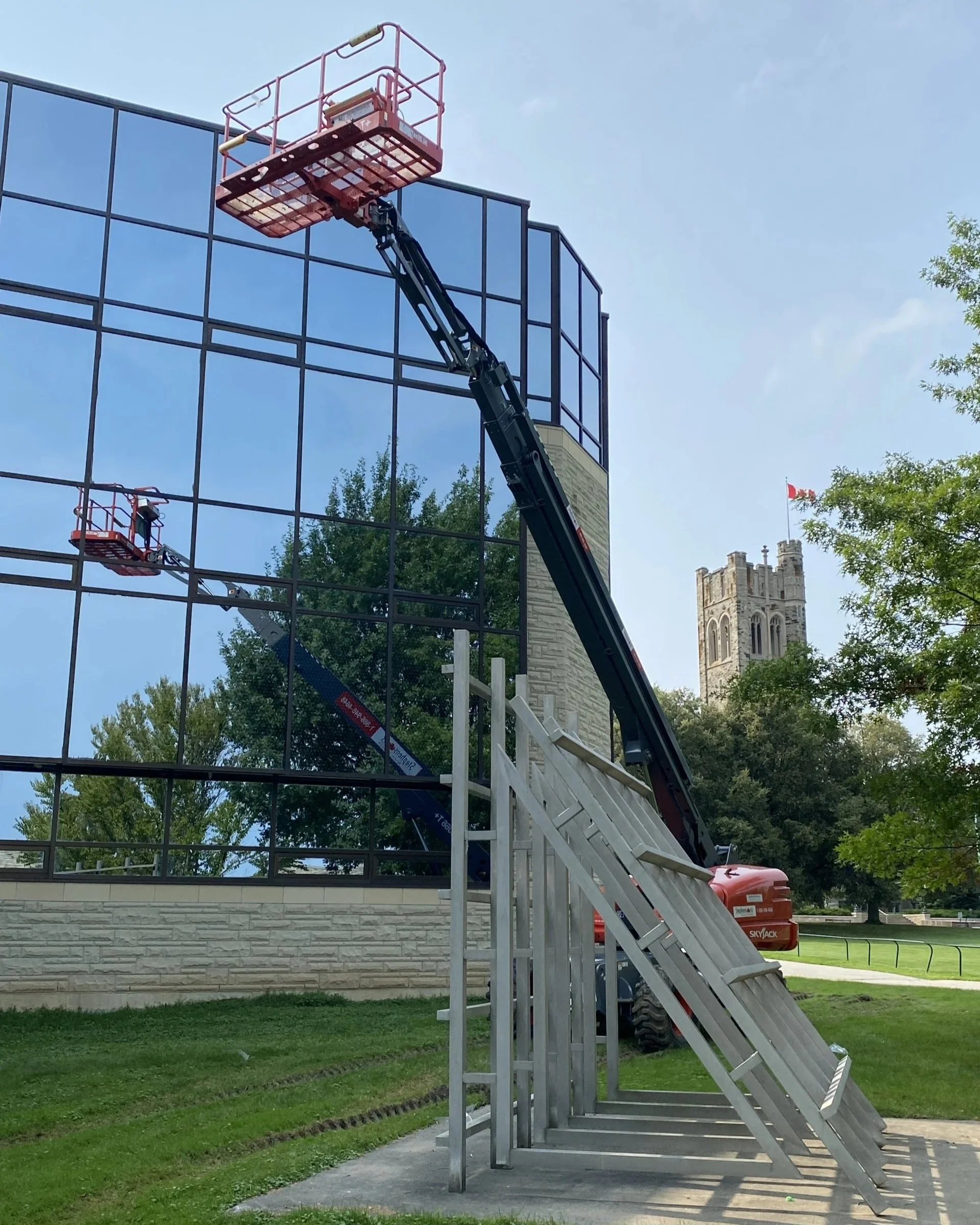
Material costs vary by country. In general, fritted glass, etched glass or other custom bird-friendly glass is more expensive (per square foot) than exterior application film. Some types of glass provide secondary benefits like improved energy efficiency or privacy. Labour and equipment costs may be partly recoverable by applying visual markers to glass before units are installed on the building. FLAP Canada recommends following the evidence-based CSA A469 standardwhen applying bird-safe solutions.
To access current and applicable information on unit costs for specific solutions, it is recommended to contact individual manufacturers or suppliers.
Example cost breakdown for bird-safe glazing for new building construction:
← Scroll to see full table →
| Building Type | Percent of Glass Requiring Bird-Safe Glazing (per CSA A460) | Price Increase in Window Contract for Bird-Safe Glazing |
|---|---|---|
| Low-rise higher education | 100% | 5%–10% increase |
| 40-storey multi-unit residential | 10% | 1% increase |
-
There is no simple answer to this question, because the cost varies depending on numerous factors including but not limited to:
Choice of material
Cost of equipment rental
Other renovations happening together
Size of area to be treated
Product availability
Cost of labour
Cost of insurance
Warranty and long-term servicing
Fees collected by product suppliers
Whether external funding is used
Other façade or landscaping modifications that may be required (e.g., tree removal)
Design of the building
Features and grade around the building
Cost of shipping product
Inclusion of a collisions risk assessment
-
In general, the cost of retrofitting a building for bird safety is higher than the cost of making a new building bird safe during its design and construction.
Below are examples of typical cost breakdowns for individual buildings, with items listed in order of decreasing cost:
Retrofit of existing building
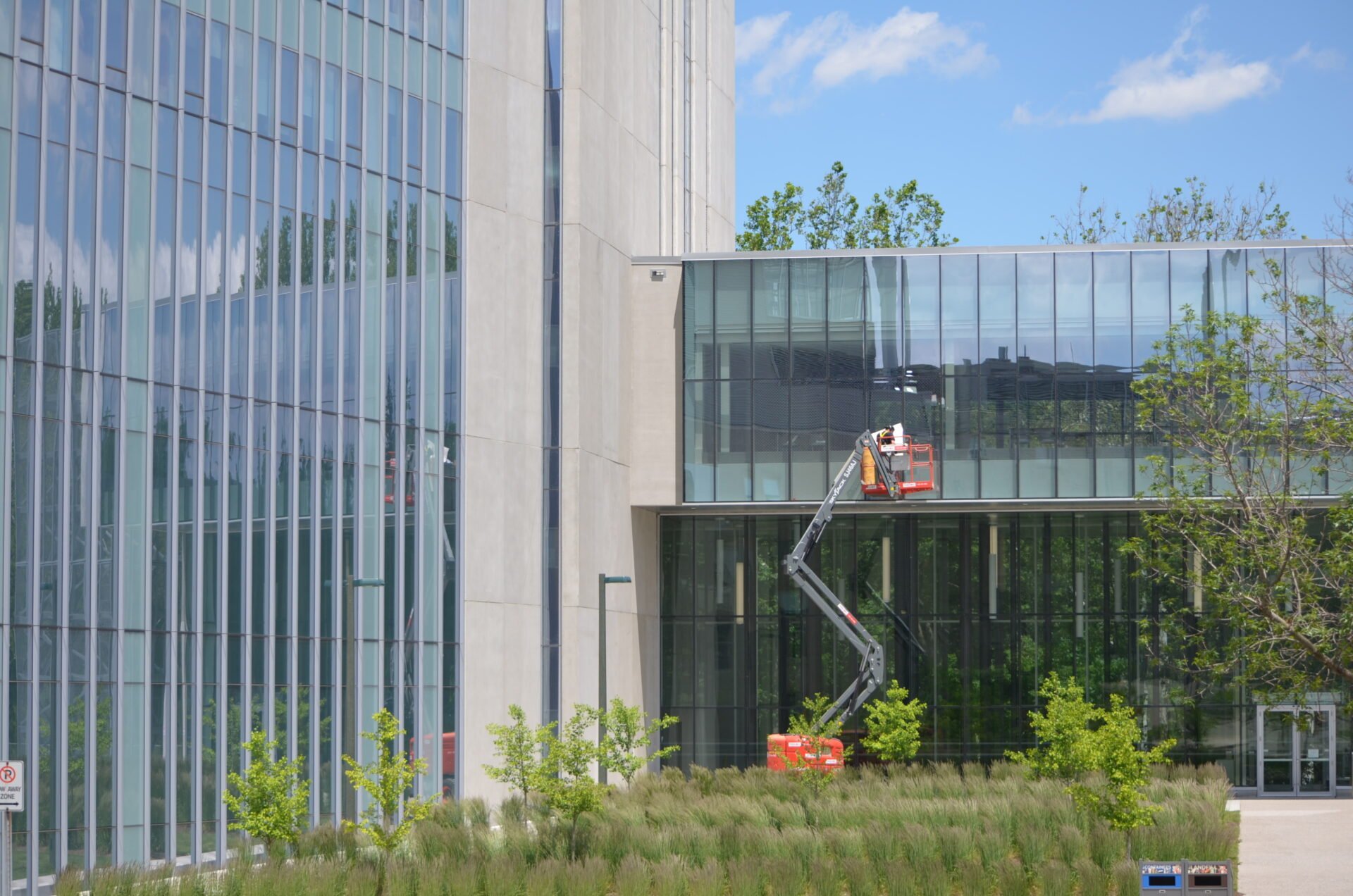
Equipment rental, as required(e.g. boom lift)
Labour for installation
Insurance for installation
Material cost (e.g., film)
Replacing turf, tree removed for equipment clearance
Risk assessment to identify and prioritize high-risk façades.
New building construction
Material cost (difference from regular window glass, or addition of film, exterior shades, etc.)
-
The Kendeda Fund Building (Atlanta, Georgia), a low-rise building 18,600 sq. ft in area, was treated during construction in 2019 with Viracon silkscreen at an overall cost of $32,000 USD including material and installation, with treatment covering about 3,000 sq. ft of glass. Total cost of the project was $25,000,000 USD. The treatment of the glass was covered by a Disney Foundation Grant. Learn more
The Columbia Building (Portland, Oregon) is a low-rise building 11,640 sq. ft in area. 3,424 sq. ft of glass was treated with a film product called Solyx for a cost of $28,000 USD. Learn more
The Forest Hall building at Oregon Zoo is a low-rise building about 33,000 square feet in area. The building’s windows were replaced with Ornilux Glass, a UV-based custom glass (that I don’t recommend and is at the higher end of the price spectrum for bird friendly treatments). Overall cost was $84,687 USD. They treated 4820 sq. ft. of glass. Learn more
At Western University (London, Ontario, Canada) a large high-rise building (7 stories, 120, 000 sq. ft) was retrofitted up to the fourth story with 3M film. Around 10,500 sq. ft of glass was treated. The cost was $90,000 CAD.
The largest-ever bird friendly building retrofit in North America took place at the Toronto-Dominion (TD) Centre, a six-building office complex in Toronto’s Financial District, with over 105,000 sq ft. of glass treated! The cost of that project was over $1 million CAD.
-
Canadian Federal laws including the Migratory Birds Regulations (2022) and Species at Risk Act as well as provincial laws including the Environmental Protection Act prohibit building owners from killing birds by causing collisions with glass, whether intentional or not. In cases where buildings are killing birds and may be the subject of complaints to law enforcement authorities, it is incumbent on the building owner to demonstrate due diligence to prevent further bird deaths or else they could face litigation.
FLAP Canada recommends following the evidence-based CSA A469 standard to inform actions that would qualify as due diligence under such circumstances.
What are some performance requirements for retrofit products?
To ensure you are getting the most out of your investment in bird-safe solutions for your commercial or institutional building, it is important to require the following product performance requirements:
← Scroll to see full table →
| Quality Assurance | Use qualified personnel skilled in the installation of the chosen visual marker(s), having a minimum of 2 years proven experience of installation of similar material. |
| Product Warranty | Ensure that the manufacturer's exterior surface application product warranty against deterioration is a minimum of 8 years. The marker material must facilitate removal without damaging the glazed and/or polished materials. |
| Sample Installation | Apply sample installations to verify the strength of visual marker contrast and their aesthetic effects. |
How to Assess Your Building’s Bird Collision Risk: BirdSafe® Consulting
Under the umbrella of BirdSafe®, FLAP Canada has helped countless commercial, institutional, and governmental audiences make informed decisions to reduce risk to birds on their properties. Through our BirdSafe® consulting services, we offer site-specific building assessments to objectively identify and rate building façades and features posing the greatest risk for bird-window collisions. In this way, we provide tailored recommendations that help our clients prioritize areas for mitigation action, meaning you can save the most birds with your investment. A nominal fee is charged based on the number of façades being assessed.
For almost 30 years, FLAP Canada has been a global leader in the issue of birds and buildings. Trust the experts to help you reach a solution. To learn more about how we can help you, or to contact us for a quote, please visit birdsafe.ca.
What else can building managers do to prevent bird-building collisions?
Treating windows with bird-safe solutions, or planning a build with bird-safe windows are just one way to prevent fatal bird-building collisions. Learn more about other options available to building managers, including getting migration alerts to know in advance of peak bird migration activity, and reducing lights at night.
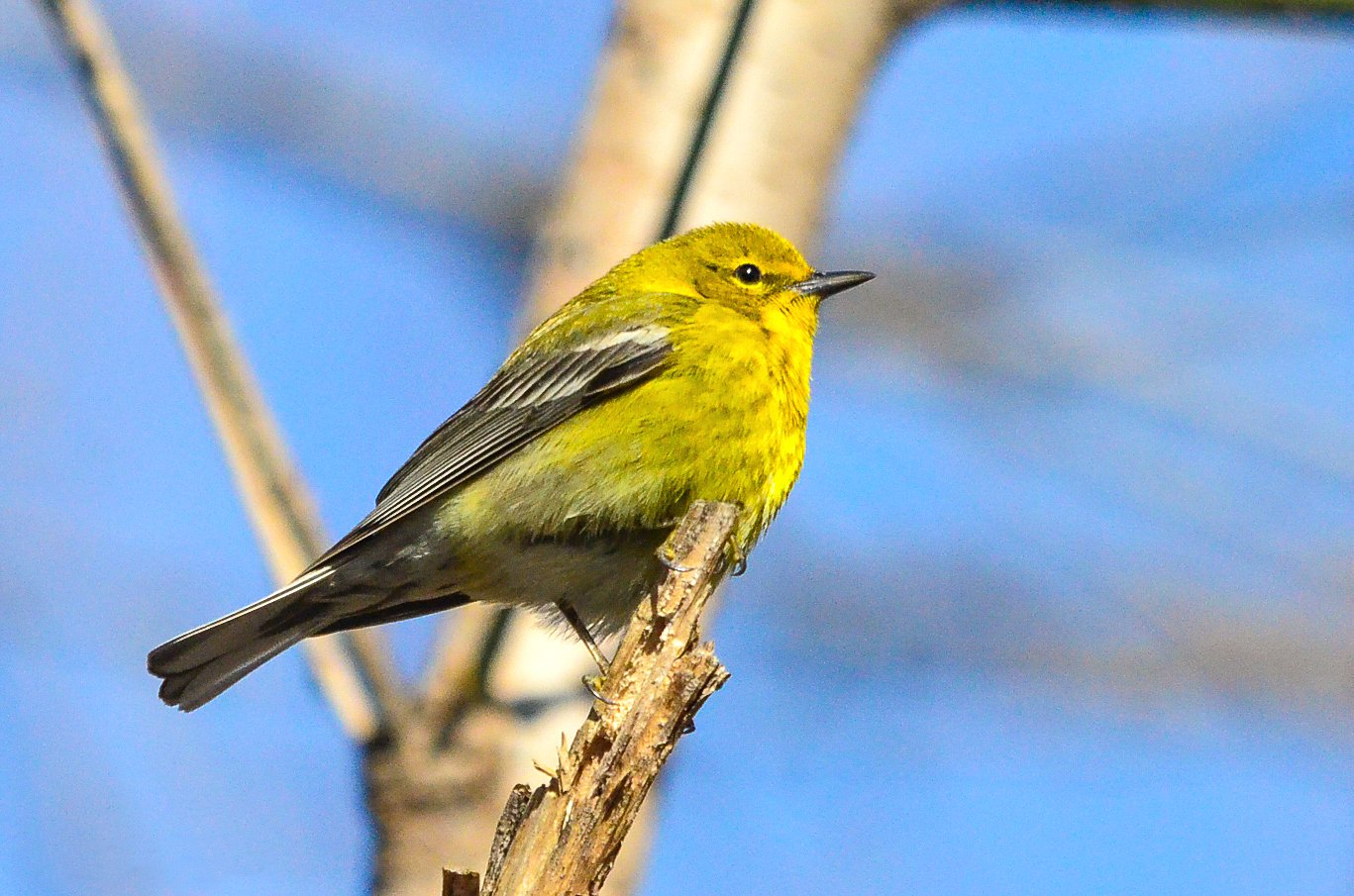
Protect Birds with Migration Alerts
During spring and fall, billions of migrating songbirds pass through our cities on the way to their northern breeding areas or southern wintering areas. It is during these difficult journeys that birds are most at risk of colliding with our built structures.
FLAP Canada offers migration alerts for property owners and managers to alert them to times of peak migration activity. These notices allow building managers to take targeted actions when they are needed most.
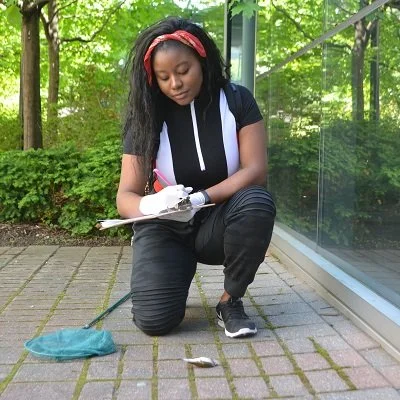
Monitor Your Building For Bird Collisions
Consider starting a bird collision monitoring program at your building. Documenting each collision and rescuing injured birds can significantly contribute to their protection.
The data you collect will not only empower you with actionable insights, identifying high-impact facades, but also guide informed decisions for retrofitting your building with bird collision deterrent treatments. Your efforts will help demonstrate your corporate and legal responsibilities to protect birds from harm.
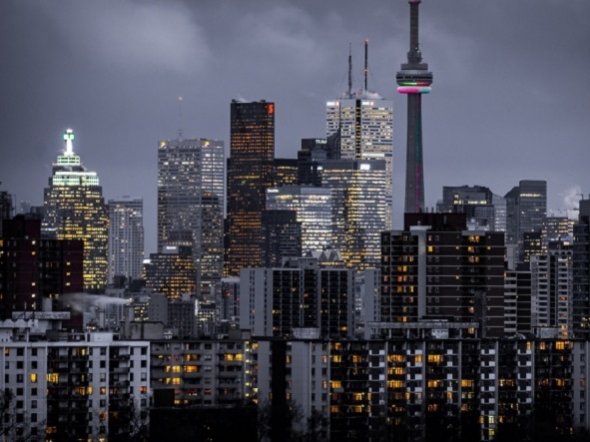
Turn Off Non-Essential Lighting
One of the simplest and most impactful actions your building can take is turning off non-essential lights from 11 PM - 6 AM during bird migrations
Artificial light from buildings disorients migrating birds, attracting them toward urban areas where deadly collisions with glass become far more likely. In most of Canada, migration occurs twice a year:
Spring migration: April to June
Fall migration: August to November
During these windows, millions of birds are in flight overnight. Turning off or dimming non-essential interior and exterior lighting — particularly on upper floors — significantly reduces the risk of collision and can be implemented at little to no cost.
Ready to learn more?
Check out FLAP Canada’s Bird-Safe Presentations and Workshops
FLAP Canada regularly does presentations for commercial and institutional audiences on the issue of bird-window collisions. We also run workshops for building operators, maintenance staff, and tenants on how to monitor, rescue, and contain injured and dead birds found around their buildings. Please contact us to learn more.