
Why Do Birds Hit Buildings and Windows?
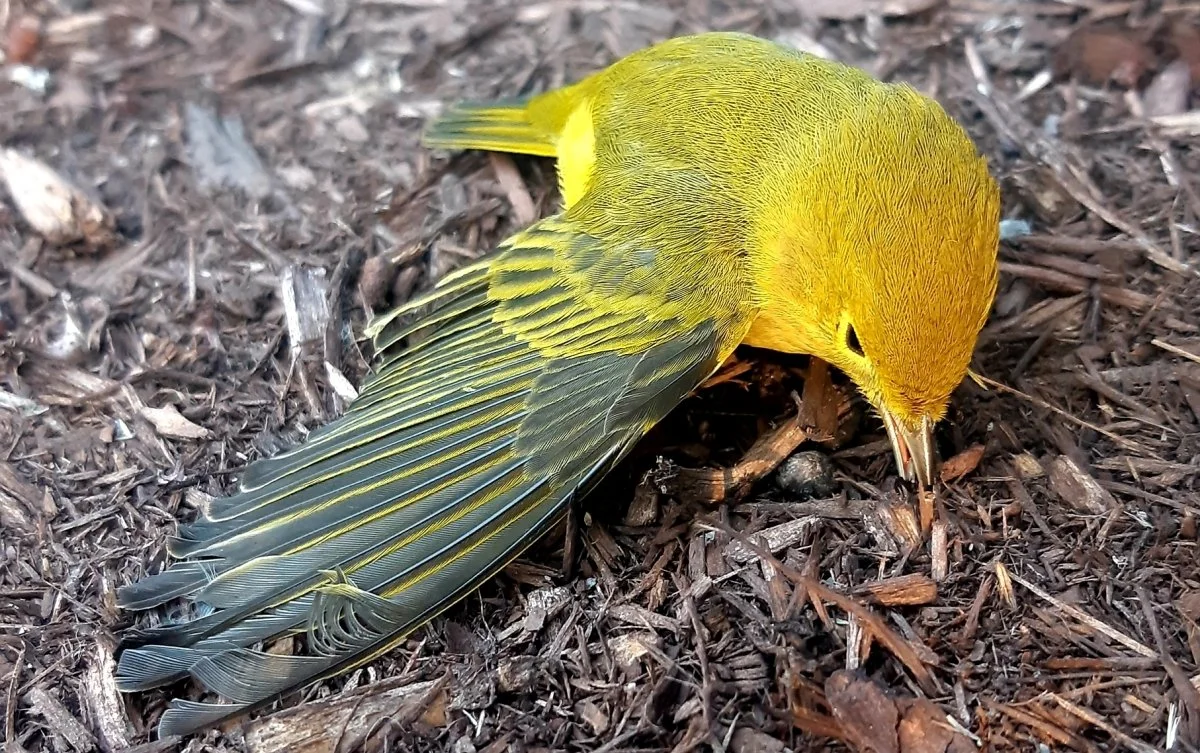
What Happens When a Bird Hits a Building
When a bird strikes a window, it is not just a gentle tap. It is a high-speed collision with an invisible, immovable barrier.
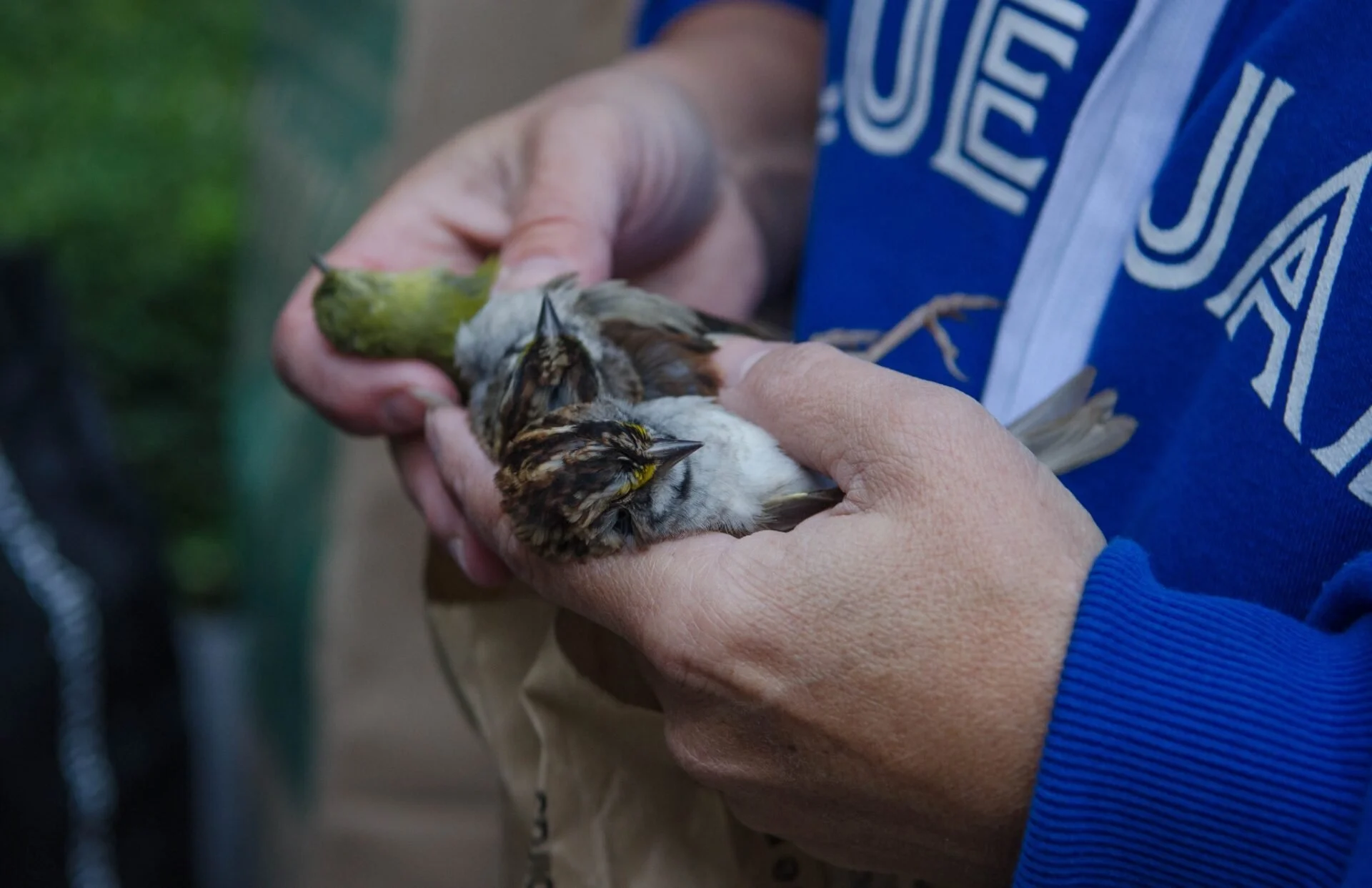
Crashing into a building, whatever the cause, often results in death on impact.
Even where a bird is not killed outright, it may fall to the ground stunned, where it is vulnerable to predators, or the collision may cause injuries so severe that the bird cannot recover in time to continue its migratory journey.
Why Glass Is Invisible to Birds During the Day
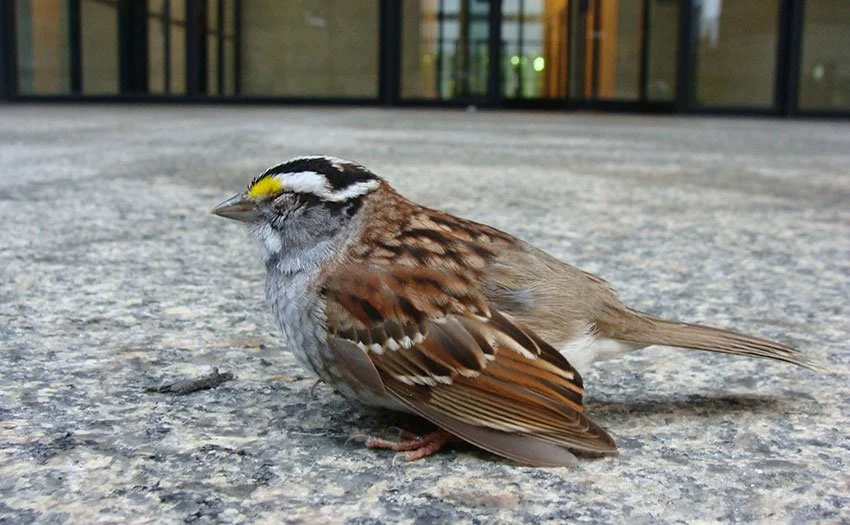
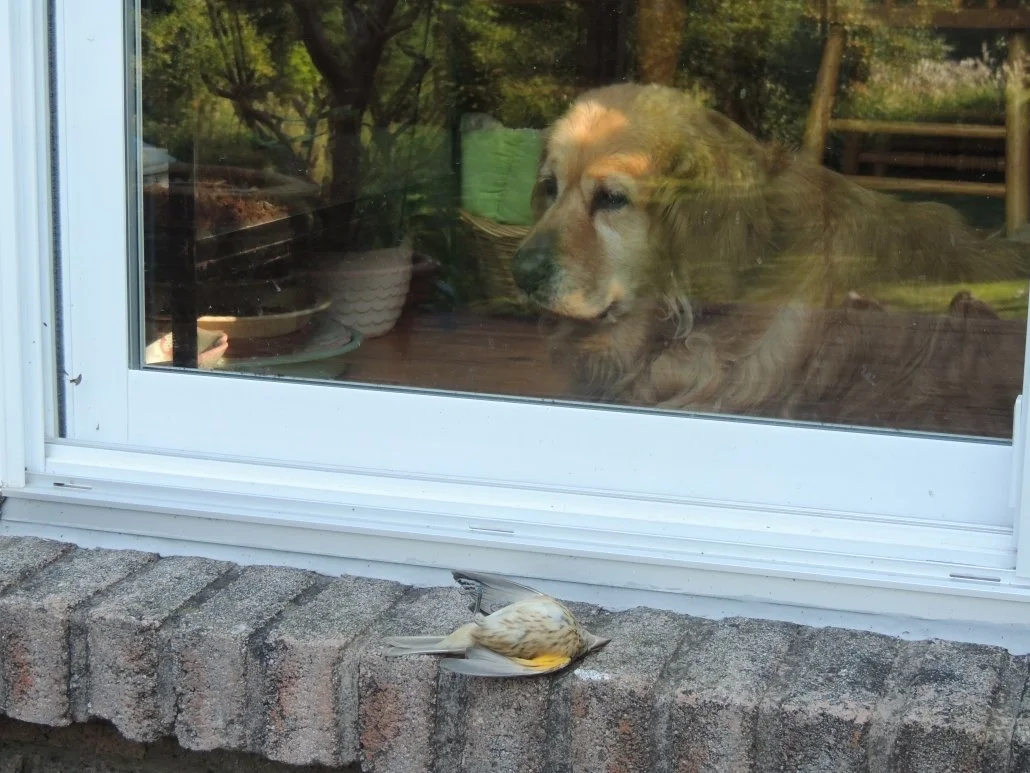
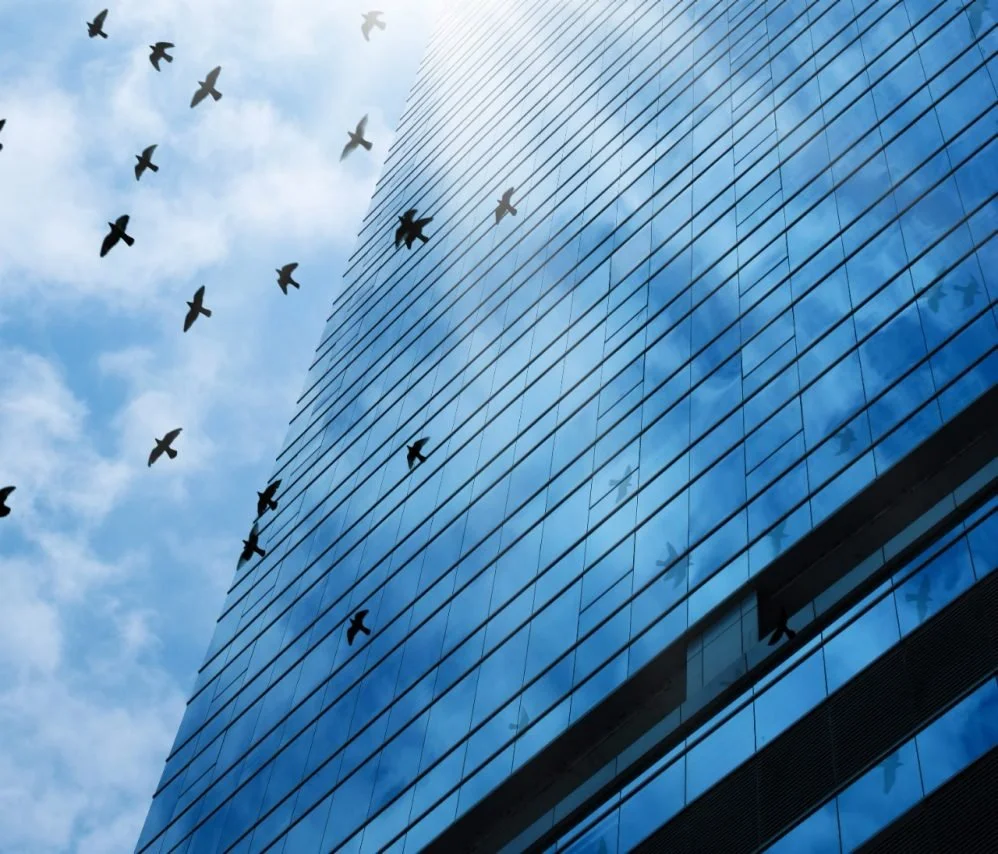
During the day, reflected light on glass poses a severe threat to birds.
Birds can see through glass and what is reflected on glass, but they cannot see the glass itself.
Attracted to the reflection of a landscape that is actually behind them, or to a plant that is on the other side of a window, many birds fly straight into windows and reflective building exteriors.
Some birds have even been observed attacking their own reflection, believing it to be a competing bird intruding on its territory.
Why Artificial Light Disorients Migrating Birds at Night
At night, it is artificial light from our buildings and cityscapes that endangers birds. Many species of birds migrate at night, using light from the moon, the stars, and the setting sun to navigate. The bright lights of our urban areas confuse these birds and pull them out of their way.
-
Birds’ instinct to migrate is largely influenced by sudden shifts in temperature, available daylight (photo period), moon phases and light tail winds. The evaluation of land bird migration determined that flying conditions for long-distance travel are most favourable under the cover of darkness. These favourable conditions include less potential for predation, cooler temperatures to help maintain body temperature and less inclement weather.
The majority of land birds migrate at night. These include species like cuckoos, flycatchers, warblers, vireos, thrushes, orioles and sparrows.
-
Artificial lighted structures can disorient night migrating birds as they tend to fly toward and hesitate to leave these lit areas. As day breaks, birds quickly descend to the ground in search for vegetated habitat where they feverishly forage for food to replenish their depleted energy reserves. This dramatic rise in the concentration of birds in built environments increases the potential for bird-building collisions.
-
Especially on foggy or rainy nights when the cloud cover is low, birds fly at lower altitudes and are more likely to be disoriented by city lights. They may be pulled down into downtown mazes, where they often collide with buildings and windows.
-
Artificial light from buildings and cityscapes increases the chance of fatal bird-collisions.
Also dangerous are floodlights, lighthouses, and airport ceilometers (light beams for measuring cloud altitude). Studies using radar have shown that, once birds are attracted to a light source, they tend not to want to leave it. Birds may become trapped inside beams of light, flying around inside them until they drop from exhaustion.
To learn about how night lighting has a negative impact on humans and the environment, visit the International Dark-Sky Association.

How to Predict a High-Risk Migration Night
Birds’ instinct to migrate is largely influenced by sudden shifts in temperature, available daylight (photo period), moon phases and light tail winds. The evaluation of land bird migration determined that flying conditions for long-distance travel are most favourable under the cover of darkness. These favourable conditions include less potential for predation, cooler temperatures to help maintain body temperature and less inclement weather.
Monitoring Weather Patterns to Predict Bird Migration
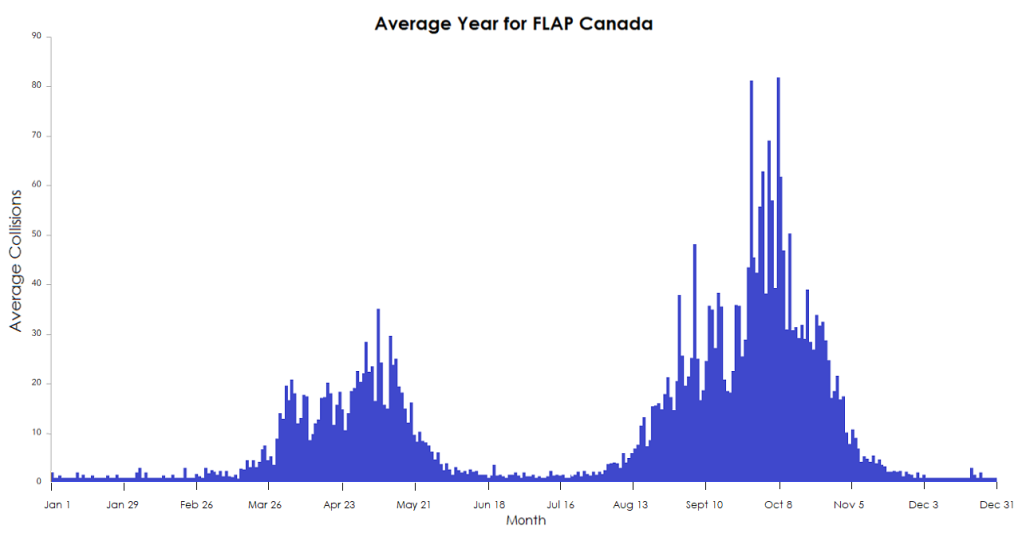
To help you prepare for what could be a busy night of migration, you need to look for a combination of the following three influencing factors:
Northerly Migration (Spring: March through May)
steady southerly winds
clear moon-lit nights
sudden increase in temperature
Southerly Migration (Fall: August through October)
steady northerly winds
clear moon-lit nights
sudden decrease in temperature
When all of these factors are present, step outdoors shortly after dusk and listen to the night sky. You’ll likely hear faint “peeps” from birds migrating overhead. Try using a spotting scope or binoculars to watch these birds as they fly past the face of the moon. Once you understand the nuances of weather patterns that trigger a birds’ instinct to migrate, you can make your own migration predictions.
Fun Tip! You can go one step further by building your own microphone to record and document the number of calls and species of birds flying over your community.
These weather maps by VENTUSKY offers an ideal visual interface of tools you can use to help you make these predictions.
Did You Know? High pressure systems rotate in a clockwise fashion and lows are counterclockwise. For example, the leading edge of a high or the trailing edge of a low have the southerly winds that favor a strong migratory southerly flight that night.
How Many Birds Die from Building Collisions Each Year in Canada?
Each year in Canada, around 25 million migratory birds die as a direct result of collisions with buildings. We can only expect that number to grow unless we all work together to help mitigate local biodiversity loss through urban development that considers wildlife species.
Since 1993, FLAP Canada has been a tireless voice for birds, driving change through our education, policy development, research, and bird rescue work.