
Why Protecting Migratory Birds Matters
Birds Are Essential to Healthy Ecosystems
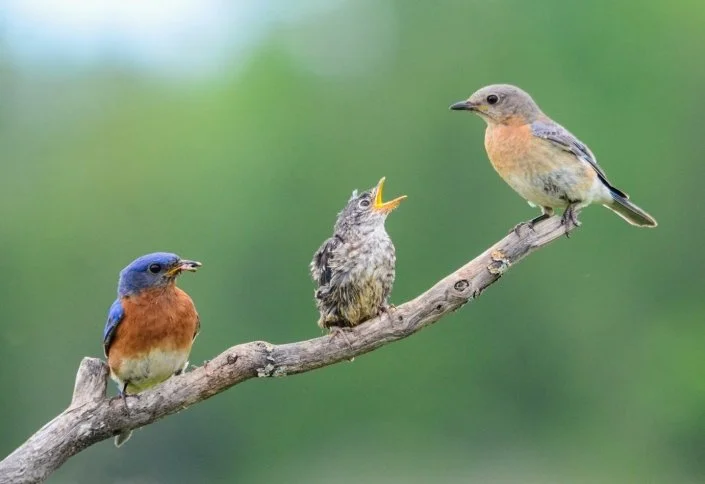
Birds, like any living being, have intrinsic worth. And as descendants of dinosaurs, they’ve graced this world for much longer than we have. Birds provide an accessible link to the natural world for people everywhere. Their sweet songs, remarkable plumage, daring migrations, and fascinating social lives inspire our art, music, poetry, design, spirituality, and culture.
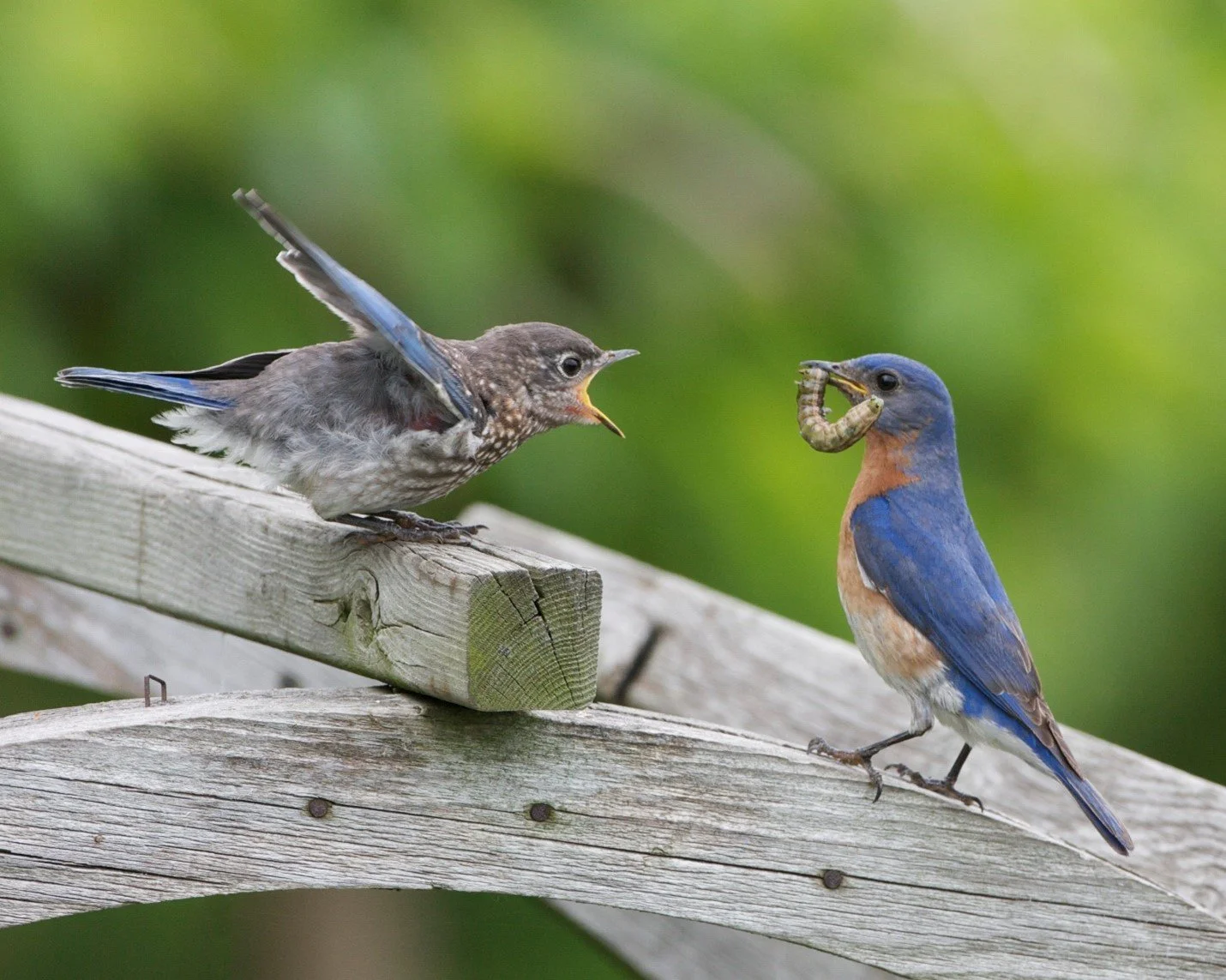
Birds also provide us with a host of beneficial ecosystem services, free of charge. They pollinate plants, distribute seeds, and control pest populations. We may only realize the true economic value of these services when it is too late, when we no longer have birds providing free tree-planting services, taking care of pest outbreaks, or keeping disease in check.
What We Lose When We Lose Birds
Those who take even a moment to appreciate the beauty of their local birds are always rewarded. In fact, studies show that birds increase our happiness levels! It’s no wonder that birdwatching and bird feeding are such popular activities across North America, contributing billions of dollars to the economy.
Why Bird Conservation in Canada Matters Now
Birds are in trouble and window collisions are a big part of the reason.
Sadly, birds are vanishing at an alarming rate. Scientists have found that, in North America, approximately 3 billion fewer birds grace our skies and forests today than 50 years ago. That’s a staggering loss.
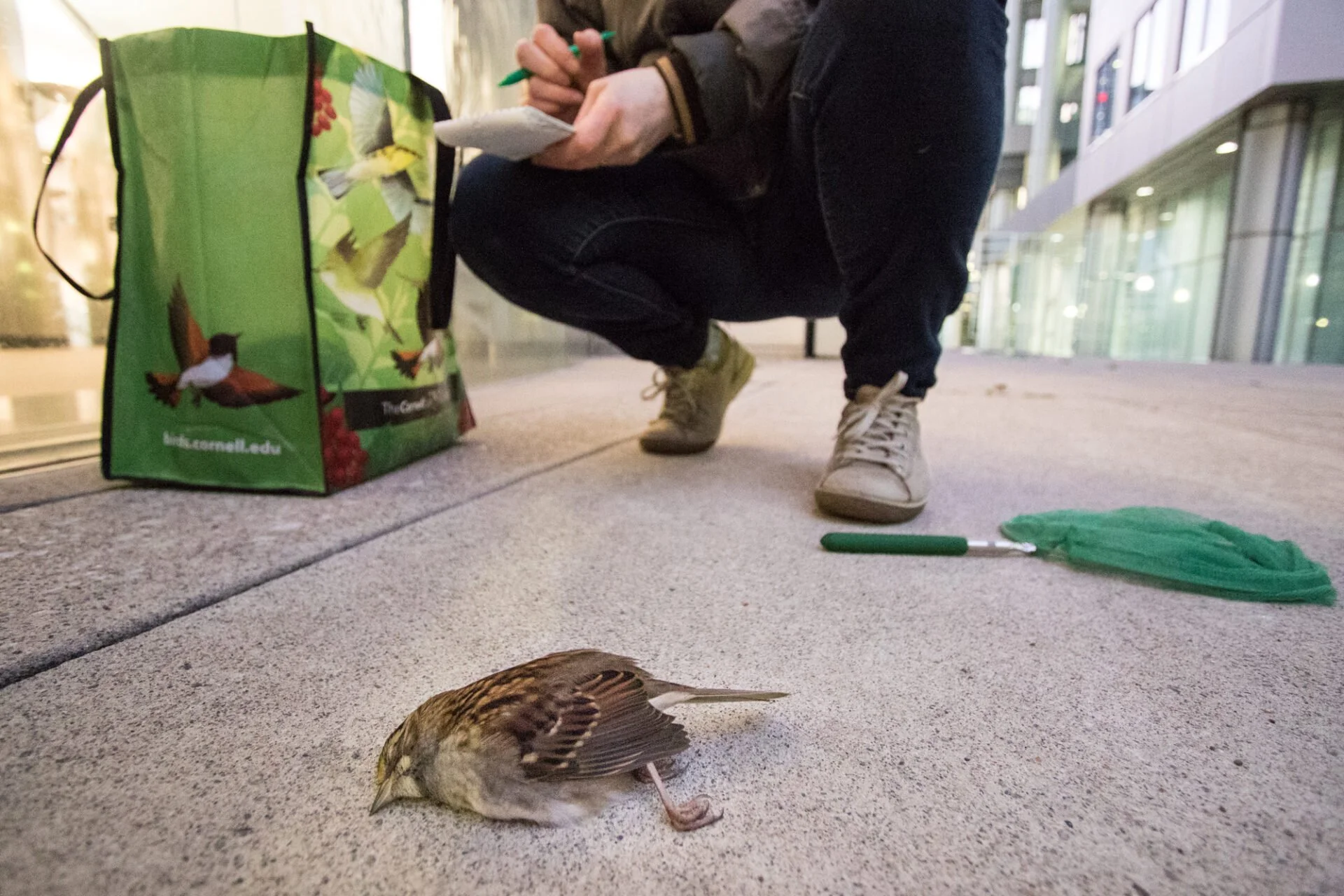
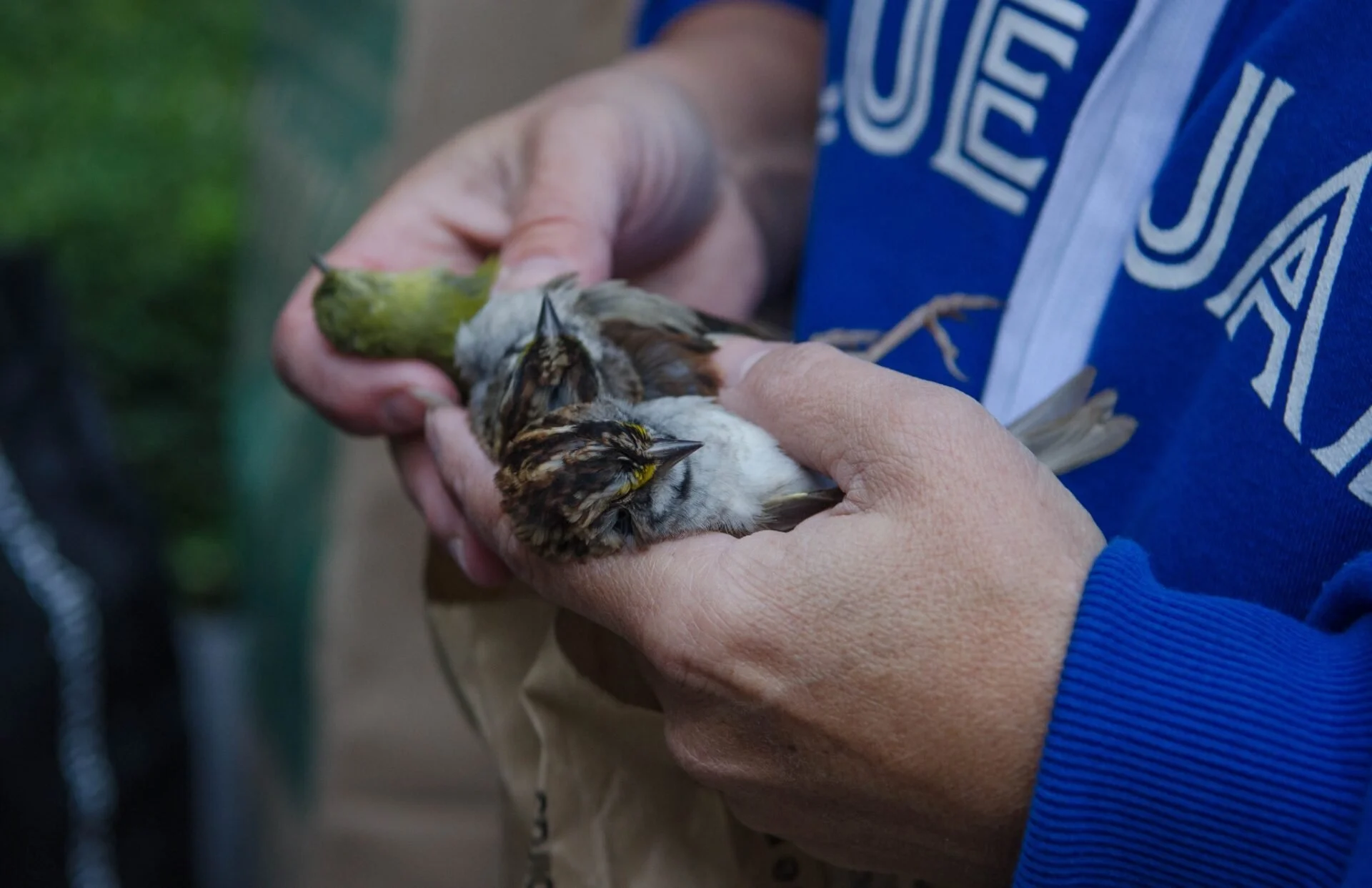
Collisions with glass are one of the most significant sources of human-caused mortality for birds. And windows don’t discriminate between healthy and sick, young and old, or common and endangered species. Birds hit windows anywhere there is glass, and glass is everywhere.
In Canada alone, glass claims the lives of around 25 million birds every year. In the United States, that number may be closer to a billion birds lost each year. We can only expect these numbers to increase as our cities grow and our fixation with glass buildings continues, unless we act now.
Meet The Birds Most at Risk of Window Collisions in Toronto
These are just some of the birds we lose every migration season to fatal bird-building collisions.
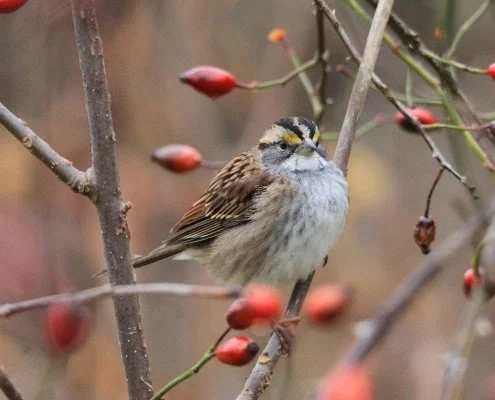
White-Throated Sparrow
The oldest White-Throated Sparrow ever recorded through bird banding was at least 14 years and 11 months old.
Photo: Rob Mueller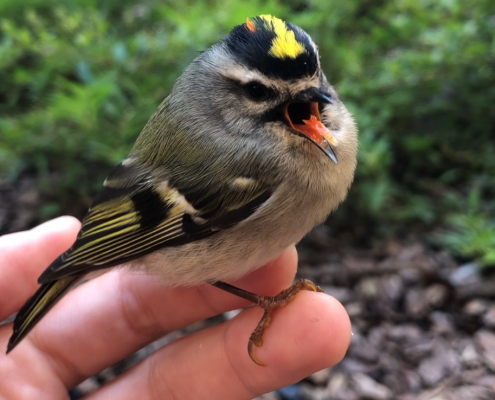
Golden-Crowned Kinglet
On cold winter nights, tiny Golden-Crowned Kinglets have been observed sleeping huddled together in a tight bunch with their friends for warmth.
Photo: Nicole Abernathy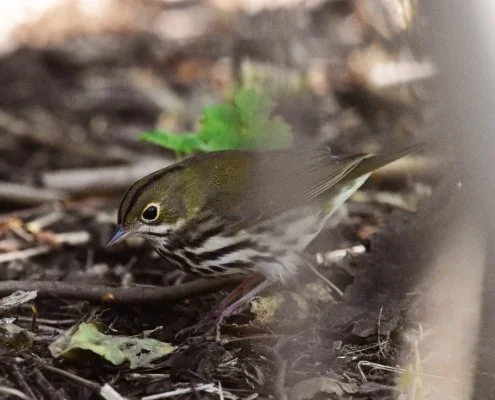
Ovenbird
Photo: Kaitlin BroughThe Ovenbirds passing through the Toronto area each spring have just travelled thousands of kilometres from their tropical overwintering areas.
The Skies are Getting Quieter—You Can Help.
Bird-window collisions are a serious conservation issue, but there are solutions. Help support the migratory bird-saving work FLAP Canada does year round.