
Start a FLAP-like Program
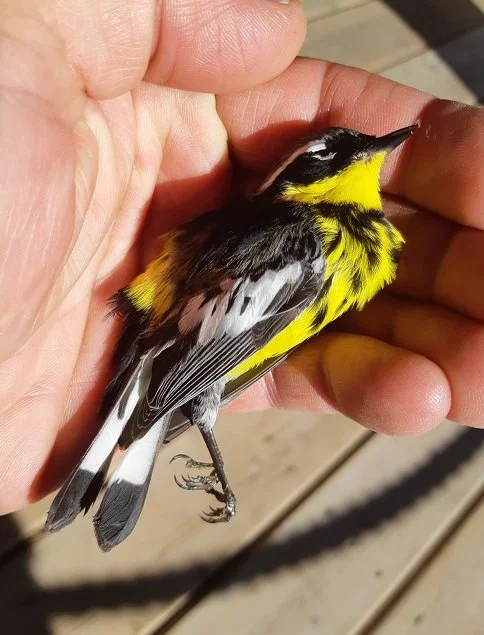
For over 30 years, FLAP Canada has built one of the world's most respected bird collision monitoring and rescue programs. Cities across North America have used our model to launch their own — and the birds in your community need the same protection.
A FLAP-like program involves regular patrols of buildings during spring and fall migration, recording bird strikes, rescuing injured birds, and building the data needed to push for bird-safe building standards in your city. It starts with one person willing to look and takes flight from there.
Bird Collision Monitoring: What the Work Looks Like
Take some time investigating the buildings in your area. Wherever you find tall, brightly lit structures or windows reflecting natural habitat, birds are likely to collide with them. We recommend that you begin by spending an entire migration season, either in the spring or fall, monitoring these structures and recording your findings.
Here is what to look for on your bird monitoring patrols:
Does Your City Have a Bird Collision Problem?
Step 1
Scan the perimeter of the base of a building for dead birds or feathered remains.
Step 2
Ask tenants, security, and maintenance staff if they have found dead or injured birds around their building or if they have witnessed a bird collision.
Step 3
Scan the windows for visual impact marks. Birds’ feathers are naturally coated with a powdery residue that can leave a ghostly imprint on glass where the bird hits.
Step 4
Look to see if a building owner has installed bird silhouette decals. This can be a sign that bird strikes are a problem and the owner is trying to do something about it.
Our Start a FLAP-like Program Manual may be helpful in learning how to monitor for and record bird strikes, as well as how to respond when you find an injured bird.
FLAP Canada has helped bird rescue programs launch across North America. We are always available to answer your questions and support your efforts.
Launch a Bird Rescue Program With FLAP Canada's Support
Step 5
Take meticulous records of any bird casualties you discover—the date, time of day, species, whether the bird is injured or dead, building address, which side of the building is involved. You can enter the data at Birdmapper.org.
Step 6
Encourage others to join your monitoring efforts. The more eyes, the clearer the picture you build of the extent of the problem, and the more data you will have to convince building owners and municipal authorities of the need for action.
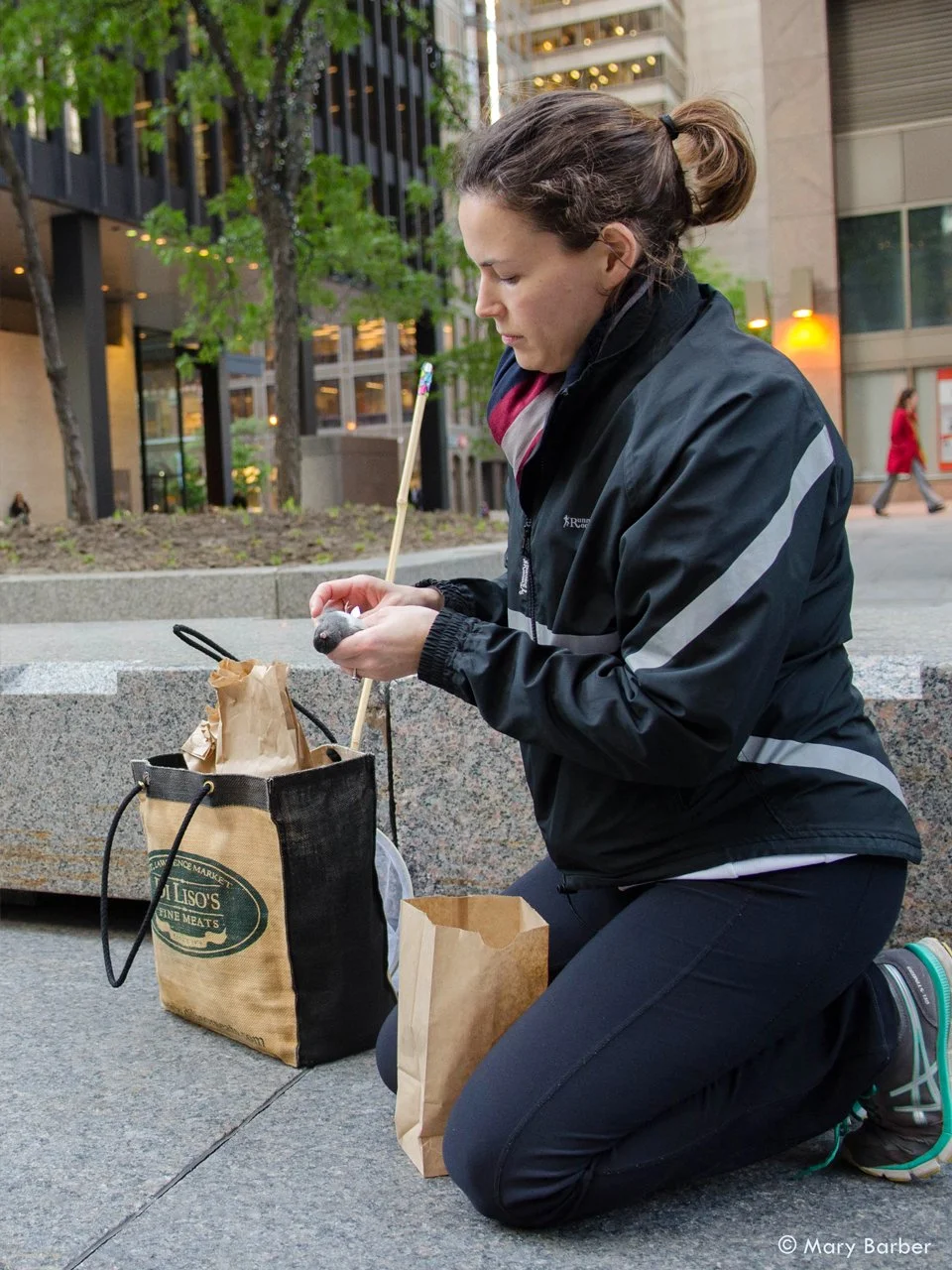
If your bird monitoring investigations reveals a serious bird collision problem in your city, you can help keep birds safe by starting a local bird rescue program. Please check the North American Bird Collision Network to see if there is an organization near you that you can join. You will find like-minded individuals who share your goal of protecting migratory birds.